Verified badges celebrity accounts carried for free disappeared between November 2022 and April 2023, when Twitter, later renamed X, folded legacy verification into the paid Twitter Blue subscription. Checkmarks stopped confirming notability and started confirming payment, and the April 20, 2023 removal of legacy badges drew public pushback from well-known users.
How did verification work before 2022?
Under the legacy system, Twitter verified accounts for free after confirming identity and public notability. Actors, athletes, musicians and institutions received blue checkmarks through an application and review process that signaled the account belonged to the named person. The program paused in 2017 after a controversial verification, resumed with revised rules, and closed applications in 2021.
For celebrities, the badge had real operational value. The 2017 pause followed public criticism over the verification of a white-supremacist organizer. Impersonation was common at scale, and verified status let publicists, journalists and fans distinguish official statements from parody and scam accounts. The checkmark was not an endorsement, but it was a consistent identity check administered by one company.
What did Twitter Blue change?
After Elon Musk acquired the company in October 2022, verification became a subscription perk. Twitter Blue launched in November 2022, and the rollout was paused within days after impersonators bought badges, including a fake Eli Lilly account whose false insulin announcement moved the stock.
Impersonators had used the paid badges to post false statements in the names of companies and public figures before the halt. The company reintroduced the paid badge with a secondary gray "Official" tag for selected institutions, then announced in March 2023 that legacy verification would end. On April 20, 2023, Twitter removed legacy checkmarks from accounts that had not subscribed, which is when most celebrities lost their badges. The company later restored blue checks to accounts with more than one million followers whether or not they subscribed, a decision it did not fully explain at the time, and the badge label was changed to state that the account was verified or subscribed.
How did celebrities respond publicly?
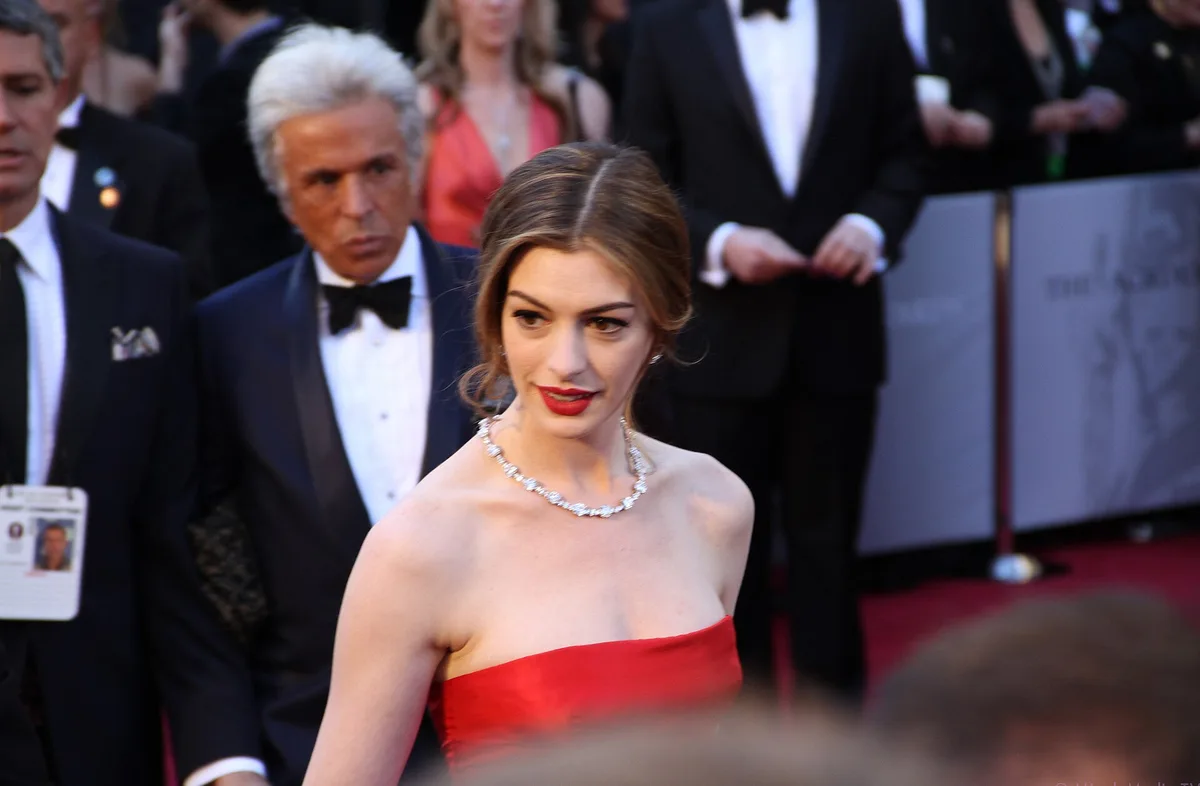
The response was largely negative and on the record. Stephen King said he would not pay and believed he was given the badge anyway. LeBron James said the same after his checkmark survived the removal deadline, and Monica Lewinsky criticized paid verification for enabling impersonation.
Organizations participated too: The New York Times and other outlets declined to pay for institutional checkmarks and lost them. The dynamic that drew the most criticism was the restored-badge issue: public figures who had declined to pay found their checkmarks reinstated, which they said misrepresented them as subscribers. That complaint reflected a genuine change in what the symbol meant, since the badge no longer carried a consistent definition.
What replaced identity verification?
X moved organizational identity to paid gold checkmarks and affiliation marks, while the blue badge stayed attached to subscription tiers. Meta launched Meta Verified in 2023, bundling a badge with impersonation support, while TikTok continued verifying through internal review. Instagram and Facebook kept free notability-based verification alongside the paid tier.
| Platform | Badge system as of 2024 | Paid or free |
|---|---|---|
| X (formerly Twitter) | Blue via subscription tiers; gold for organizations | Paid |
| Instagram and Facebook | Legacy notability verification plus Meta Verified subscription | Both |
| TikTok | Internal identity and notability review | Free |
| YouTube | Verification checkmark for channels confirming identity | Free |
The tiering had practical logic: organizations and governments needed reliable identity marks for exactly the impersonation reasons November 2022 demonstrated, while individual subscribers mostly bought reach features. The badge's meaning now depends on which tier it carries, which is the single biggest change from the pre-2022 system.
Why does the badge change matter beyond symbolism?
Because impersonation has financial consequences. The November 2022 pause demonstrated that paid badges could lend false credibility, and European Union regulators later examined the display under the Digital Services Act's rules against deceptive design. For public figures, distinguishing official statements from imitations became measurably harder.
The cost was highest for financial and political statements, where imitation moves markets, and the episode set a precedent other companies watched closely. When Meta designed its verification subscription, it bundled human identity checks and impersonation support rather than selling the badge alone, which observers read as a direct response to the problems Twitter encountered in November 2022.
Did the changes affect how entertainment news is reported?
They did. Newsrooms that once treated a blue check as reasonable confirmation of a celebrity statement began checking account history, cross-referencing official websites and contacting representatives, adding a verification step to story workflows. Fake studio and talent accounts had already moved markets and news cycles within days of the November 2022 paid launch.
The added friction was measurable in newsroom practice. Before 2022, a verified account's statement could be quoted with the badge as the sole sourcing signal; after the change, standard practice shifted toward confirming the account through a second channel, such as a publicist's email or an official site link. That slower loop changed how quickly celebrity statements became headlines, and how quickly corrections followed.
Regulators also formalized the issue. In December 2023 the European Commission opened formal proceedings against X under the Digital Services Act, listing the design of the verified badge among the suspected breaches on the grounds that it could deceive users. The proceedings were still open as of mid-2025, and whatever their outcome, they established that verification design is now a regulatory subject, not only a product decision.
How can readers confirm a celebrity account now?
Treat the badge as one signal among several, not proof. Cross-check the account link from the celebrity's official website, a studio announcement or a credited interview. On X, affiliation badges from a verified organization now signal identity more reliably than a standalone blue check.
As of 2024, no major platform has fully returned to the pre-2022 model in which a free badge consistently meant independently confirmed notability, so readers carry much of the verification burden the checkmark once carried for them. The practical skill for following celebrities now is source triangulation, not badge reading.