Entertainment news today: a beginner's guide to the beat
Trades, tabloids and fan accounts all call it entertainment news. Here is how to tell them apart, and how a story travels from a set leak to your feed.
Funding rounds, acquisitions, ad-market data and earnings from companies built on creators, reported with the filings and figures that support them.
Trades, tabloids and fan accounts all call it entertainment news. Here is how to tell them apart, and how a story travels from a set leak to your feed.

Award shows, red carpets and surprise drops run on a live desk: prepped pages, fast verification, and timestamps that keep the record honest.

Copyright starts with the person who makes the work. The fine print decides how much of it you can actually use.
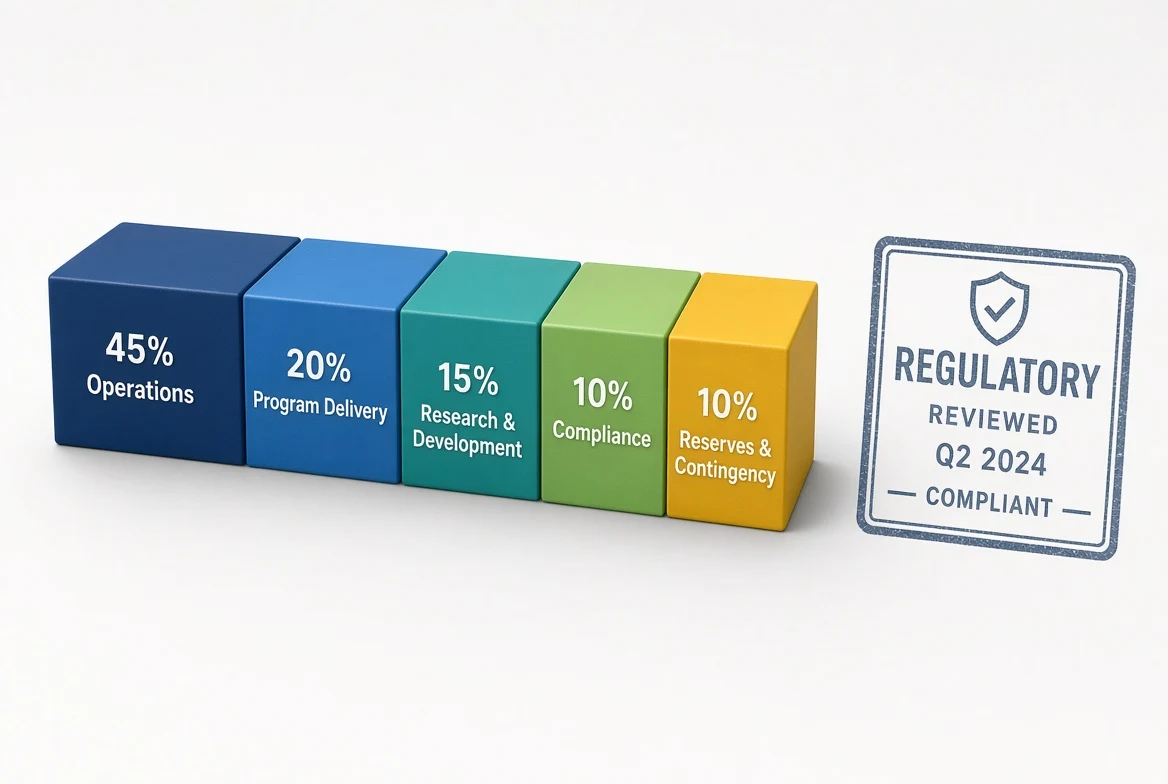
YouTube publishes the percentage it keeps, the thresholds that decide who is in the split, and a 2027 change to both. Federal advertising rules cover the other income line. Here is the mechanism, from the filings up.

Creators on the red carpet now hold official roles once reserved for legacy outlets, from Vogue's Met Gala livestream to premiere carpets run for vertical video.

Reality casting now runs through social metrics: applications ask for handles, public followings function as marketing reach, and contestants arrive with audiences the show can borrow.