A gossip commentary show is a program that reports and, mostly, opines on the personal news of public figures. Its language borrows from journalism: sourcing, exclusives, statements. The ethical floor is narrower than the newsroom’s. Disclose what is paid, be able to prove what is claimed, and keep opinion labeled as opinion.
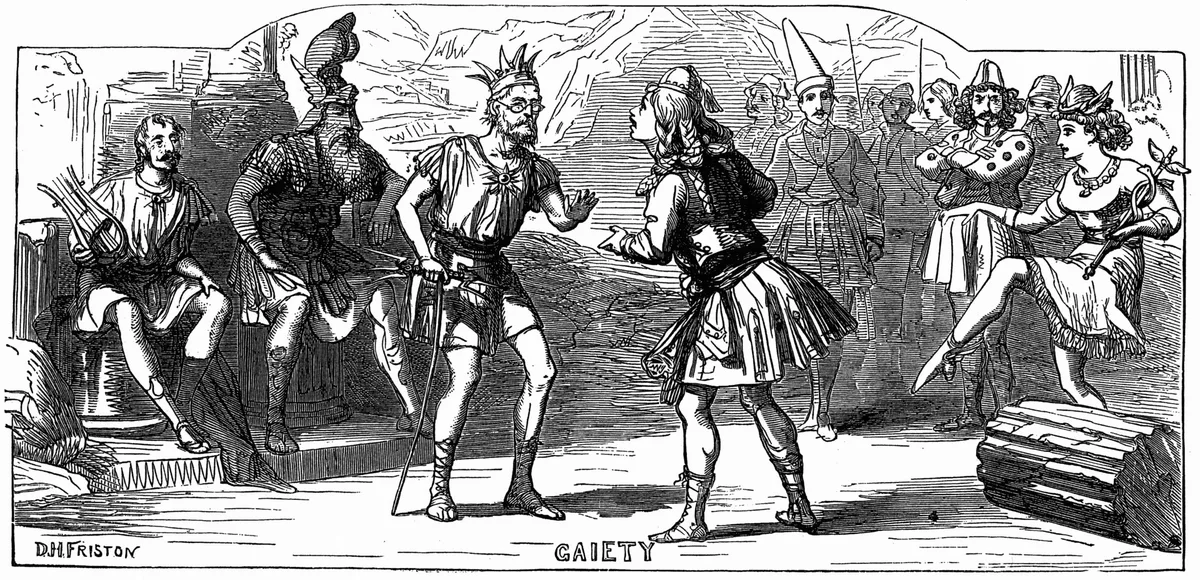
The rules are not fixed. Defamation law differs by country, platform rules keep moving, and advertising rules change too, so the practices described here are subject to change. The genre itself is old. Walter Winchell ran the first syndicated gossip column in the 1930s. Hedda Hopper and Louella Parsons then competed as Hollywood’s two best-known columnists into the 1950s, courted by studios that saw the columns as publicity tools. Readers following this should also see How recaps became a genre in entertainment news.
What language does the genre run on?
The signature unit is the blind item, a story about a public figure whose name is withheld. Around it sit phrases such as “sources say” and “sources close to the star”. Both flag information that no named person will vouch for. The register mixes items built on official records, such as arrests, marriages, and filings, with rumor and innuendo that no record supports.
The economics explain the language. Shows keep a reciprocal relationship with celebrities. Publicists feed or leak items to promote a client or to push back on bad press, as the Wikipedia overview of the trade describes. A sharp reader treats every unnamed drop as one side’s message, not a neutral fact.
Where does commentary end and libel begin?
In the United States, a public figure who believes a claim injured their reputation can sue for libel. The defense is narrow. A commentator cannot escape liability by saying the rumor was merely repeated, not invented. The writer or show has to prove the statement was true or rested on a reasonably reliable source. That is the working core of gossip commentary ethics.
The line is practical, not academic. Editorial policies at newspapers and magazines normally require a source for every allegation, because that sourcing protects the publisher in court. A show that cannot say where an item came from is exposed.
Do paid mentions have to be disclosed?
Yes, when payment or product changes what the audience would expect. The Federal Trade Commission’s Endorsement Guides, revised in 2023, say a connection between an endorser and a marketer that a significant minority of consumers would not expect should be disclosed clearly and conspicuously, per the agency’s guidance. Clear means hard to miss, not buried.
The guides apply a plain test: a glowing take from someone paid to give it carries different weight. For commentary shows, that means gifted trips, brand deals, and paid segments need plain labels on screen or in the copy. Rules and enforcement tools change, so shows check the current guides rather than old summaries.
What separates a careful show from a careless one?
Three habits show up in the careful ones:
- Every claim has a trackable source: a filing, an on-record statement, or a named person.
- Opinion is labeled as opinion, and record-based reporting stays distinct from rumor.
- Errors get corrected on the same platform that spread them, at similar weight.
The careless pattern is just as consistent. Unnamed drops appear, claims surface that no one would defend in court, and no correction trail follows. The language sounds confident in both cases, which is why sourcing, not tone, is the honest signal.
Conclusion: The format is old, the duty is current
Gossip commentary shows run on a century-old format built on the personal news of public figures. The trade’s own history shows the tension between publicity machine and public interest. Paid mentions get disclosed, every claim has provable sourcing, and opinion stays labeled. Those are the working rules that keep the genre inside the law and inside the audience’s trust. We covered a connected angle in How creators actually get paid: the splits, the thresholds and the disclosure rules.