
Influencer movies: what Hollywood gets right and wrong about creator life
A guide to the films that satirize the creator economy, and how their version of the job compares to the real one.
The commercial layer of influence: campaign briefs, going rates by tier, usage rights, disclosure rules and which sponsorships genuinely move product.
A guide to the films that satirize the creator economy, and how their version of the job compares to the real one.

Long-term deals pay differently from one-off posts. Here's how the rosters are built and where the money comes from.
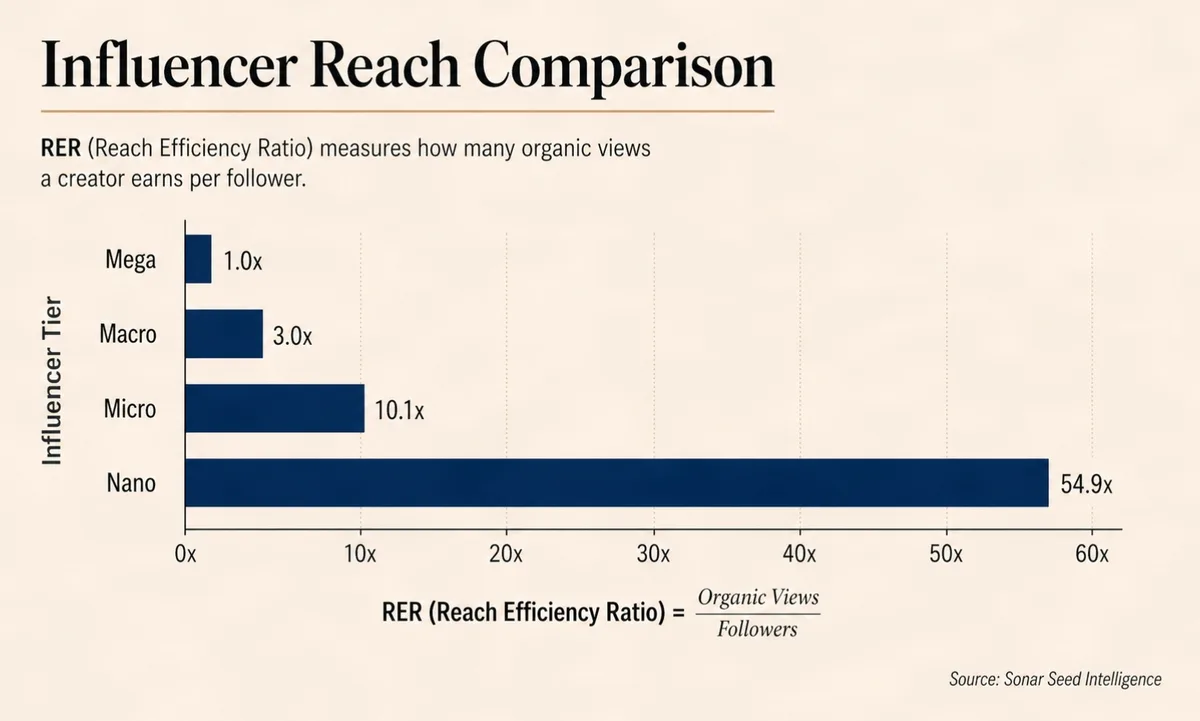
Nano to mega: how influencer tier classifications set campaign price bands, and why brand fit and trust often beat raw audience size.

Purchased followers, bot comments and engagement pods are cheap to buy and easy to miss. Here is how the tricks work, and how to vet a creator before a deal.

Big months hide small bank balances. Here's how irregular income, lifestyle creep and taxes drain creator earnings.

A chance sighting on a sidewalk is often a planned shoot. Here is how paparazzi-style placements actually happen, and what they cost.