An influencer movie is a film that puts a social media creator at the center of the story, usually to ask an uncomfortable question: what happens when a person's livelihood depends on being liked? Hollywood has made enough of these films that they now form a small genre of their own, and most of them are satires. The creator chases followers, the followers become a business, and the business eventually eats the person.
The genre is worth watching, but it is worth watching with a filter. Movies compress the creator economy into a single character's rise and fall. The real industry, as Influencer Marketing Hub explains, is built around trust, niche audiences, and long-term brand partnerships, not one viral moment. That gap between the movie version and the working version is where the interesting viewing happens.
Why did Hollywood start making influencer movies?
The short answer is that the subject got big enough to be worth dramatizing. Influencing stopped being a curiosity and became a paid profession, one where a business pays for social media promotion the way it once paid for a magazine ad. As Wikipedia's overview of the term notes, the modern meaning of "influencer" is commonly a paid role in which a company hires a creator's audience attention to promote products, a practice known as influencer marketing.
Once a job becomes a job, fiction gets interested in it. The same shift happened with ad executives, stockbrokers, and reality TV stars before. An influencer movie treats the phone camera the way an earlier era treated the corner office: as the stage where ambition plays out.
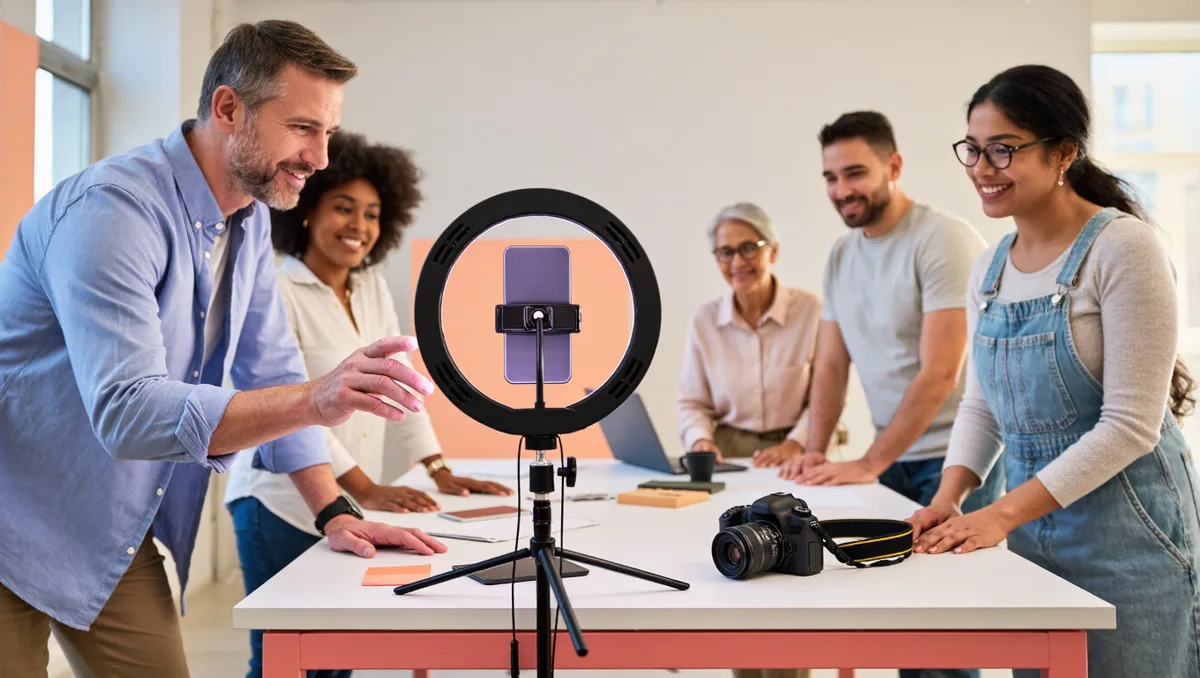
The timing also tracks with how audiences changed. People now discover products and trends through creators they follow rather than through traditional ads, which makes the influencer a figure audiences recognize instantly. A filmmaker does not have to explain the setup. The viewer already knows what a ring light is.
What these movies get right about the industry
The best of the genre lands on three things. First, the emotional math of the job. A creator's income depends on attention, and attention is fragile. Films capture how that turns every post into a small performance review, and how easy it is to start shaping your real life to feed the content.
Second, the blur between person and brand. Most working creators build their audience around a niche, whether that is beauty, gaming, fitness, or food, and the audience follows the persona as much as the person. Movies dramatize what happens when the persona and the human want different things. That tension is real, and it shows up in the industry's own coverage of influencer burnout and the public statements creators have made about it.
Third, the fakeness problem. Satires love the manufactured moment, the staged candid, the rented lifestyle. That is not pure invention. Brands do stage real-world moments, as our own look at why brands stage real-world moments explains, and follower counts can be inflated by purchased audiences. The movies exaggerate for effect, but the raw material is genuine.
What these movies get wrong
The biggest distortion is the shape of a career. On film, an influencer's story is a rocket: one post goes viral, fame arrives, and then everything collapses. In reality, the industry runs on slow accumulation. There is no follower milestone that flips a switch, as Influencer Marketing Hub puts it; what matters is whether an audience pays attention and acts on what a creator says. A creator with a small, engaged niche can out-earn a bigger account with passive followers, which is why influencer tier classifications matter so much to campaign pricing. Readers following this should also see How Influencer Tier Classifications Affect Campaign Pricing and Brand Fit.
The second distortion is money. Movies either ignore the business side entirely or treat it as a punchline. The real economics are unglamorous: rate cards, usage rights, disclosure rules, and cash flow that swings with the posting calendar. Our breakdowns of what a brand deal actually pays and why influencers go broke describe a job that looks more like freelancing than fame.
The third is the villain problem. Because satire needs a target, the influencer often becomes the villain by default: vain, hollow, morally bankrupt. That is a storytelling shortcut. The industry also includes specialists, educators, and small creators whose influence comes from genuine expertise. As the general definition holds, having many followers does not automatically mean having much influence, and the reverse is true too.
How to watch them: our analysis
Our analysis is that these films work best as mood pieces, not documentaries. Watch one for the texture of the life, the compulsive refresh, the comment-section mood swings, the way a camera changes a room. Do not watch one to learn how the business works. The business side, from revenue shares to disclosure requirements, is better covered by reporting than by fiction.
A useful habit while watching: every time the film shows a follower count or a viral spike, ask what that moment would actually be worth in the real market. Usually the answer is "less than the plot says," and sometimes it is "more complicated." That question turns a soap opera into a case study.
It also helps to remember the long history behind the word. Influence as a paid public role is not new. Wikipedia's entry traces the word back centuries and points to figures like Eleanor Roosevelt, who built a personal brand across radio, print, and television, and was reportedly paid a large fee for a single margarine commercial in 1959. The tools changed. The underlying job, converting trust into attention and attention into commerce, did not.
Where the genre goes from here
Expect the films to keep coming, because the subject keeps changing. The next wave will likely wrestle with things the earlier satires barely touched: AI-generated creators, audience parasocial relationships, and the platform algorithms that decide who gets seen. As platform coverage shows, the mechanics of the feed shape creator careers more than any single personality trait, and that is fertile ground for fiction.
What the genre has proven so far is that the influencer is now a standard character type, like the detective or the startup founder. The movies will keep getting made. The useful ones will be the ones that treat the creator economy as an industry, not a punchline.