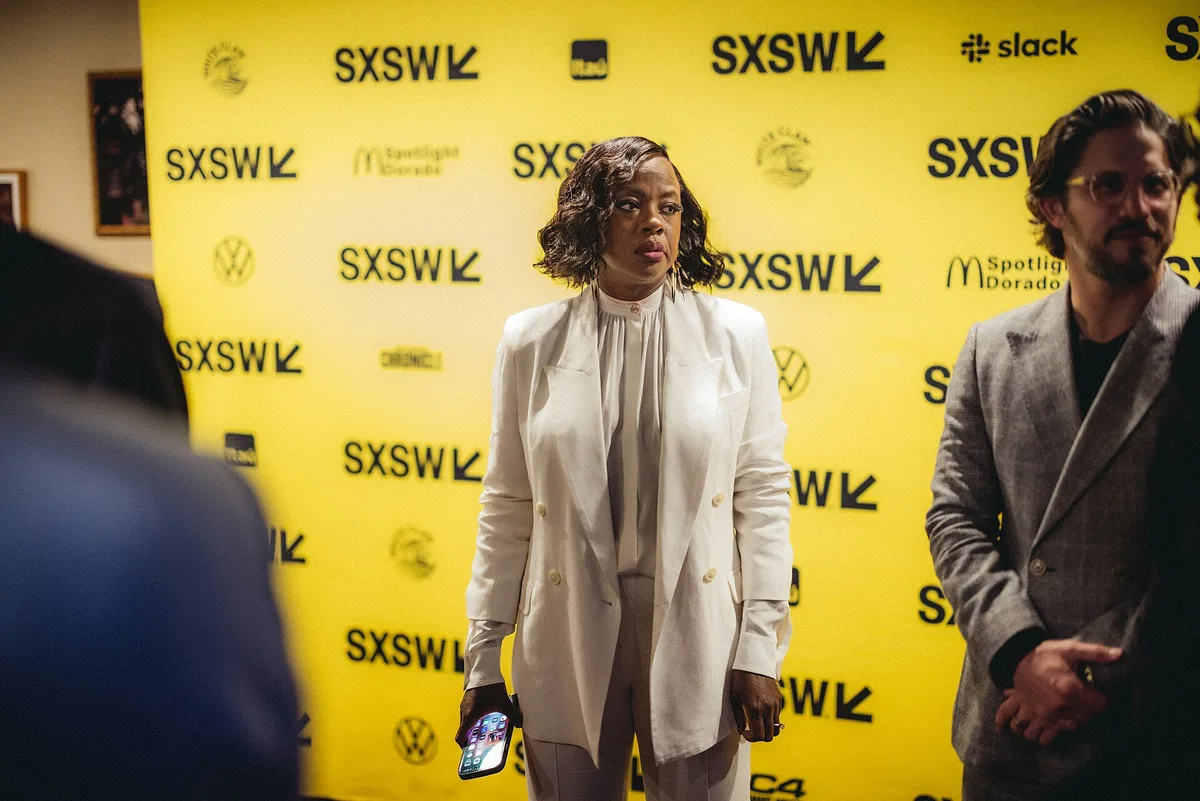
Influencers at the US Open are there to work. Brands invite creators to tennis's biggest fortnight, put them in hospitality suites and front-row seats, and expect posts in return. The seats look like perks. They function like ad space.
The trade is simple. A sports event offers access, atmosphere and a built-in audience of fans who scroll between points. A brand pays for the invitation and the creator's reach. The creator delivers content that reads as lifestyle, not advertising. The event gets a second life on feeds it could never reach on its own.
That last part is the whole economics of the deal. Nearly 68.7% of the global population uses social media, according to SocialPilot, and people now discover products through the creators they follow more often than through traditional advertising. A stadium full of spectators is one audience. A stadium full of spectators, each with a phone, is many millions more.
Why sports events court creators at all
Sports used to sell themselves. A marquee match drew television audiences whether or not anyone posted about it. That assumption no longer holds the way it once did, especially with younger viewers who find events through clips, not broadcasts.
The Hollywood Reporter made the broader point plainly in its second annual Creator A-List: the creator economy has become one of the entertainment industry's most powerful engines, fueling talent pipelines and driving marketing strategies, to the point that digital fame is increasingly indistinguishable from traditional celebrity. Sports properties sit inside that same entertainment economy. When a tournament wants cultural relevance, it now competes with everything else on a phone.
Creators solve a specific problem for events: they translate. A broadcast shows the match. A creator shows what it feels like to be there — the outfit, the food, the celebrities two rows over, the honey deuce in hand. That translation is content the event cannot produce about itself, because it would read as marketing. From a guest, it reads as access.
Creators are no longer a novelty bolted onto a campaign. They are the campaign.
The scale is worth naming. Cristiano Ronaldo, the most-followed figure in social media, generates an average of $3.43 million per sponsored post with a 5.63% engagement rate, per SocialPilot's ranking. Fewer extreme examples dominate the middle of the market, but the ceiling tells you why a sports brand will fund a suite: a single well-placed creator can out-deliver a traditional media buy.
What actually happens inside the suite
A hospitality suite at a major tournament is a production space disguised as a lounge. The standard setup includes branded backdrops, good natural light, catering arranged for filming, and a rotation of product placements — a drink, a skincare line, a watch. Creators cycle through, film short-form video, and leave with enough material for days of posts.
Brands treat these invitations as paid media. The invitation itself is compensation. Under advertising rules, that matters: if a brand hosts a creator, the resulting posts are sponsored content, and the disclosure obligations that apply to any paid partnership apply here too. Creators covering event hospitality should treat the FTC's rules the same way they treat a flat-fee deal, because the enforcement logic does not change based on whether the payment was cash, product, or a courtside seat.
Some creators also attend on their own dime and monetize the coverage independently. That distinction — hosted versus independent — changes what they can say, what they must disclose, and how much editorial freedom they have. Readers rarely see which is which, which is exactly why disclosure rules exist.
How the math works for brands
Event hospitality is a bundle, and the pricing reflects that. A brand is buying several things at once: access to a premium environment, association with a prestigious property, and a creator's audience. The creator's rate still anchors the deal, and it follows the same logic as any other sponsored post. If you want a fuller breakdown of how those numbers get set, the going-rate mechanics work the same off the court as on it — see What a brand deal actually pays, and how the rate is set.
Tier matters too. A mega-creator with millions of followers brings reach; a micro-influencer brings trust and a tighter niche. Sports events typically invite a mix, because the goals differ: awareness campaigns want the big account, and product-driven campaigns want the account whose followers actually buy things. The trade-offs between tiers are laid out in Micro vs macro influencer rates.
Our analysis: the suite model works because it collapses three costs into one. Travel, venue access and content production used to be separate line items in a campaign budget. When an event hosts a creator, the brand gets all three under a single invitation, and the event gets free marketing in exchange. Both sides save money. The audience pays with attention.
What the creator actually owes the brand
A hosted invitation is not a free vacation, whatever the Instagram caption suggests. The usual obligations apply: agreed deliverables, brand-safety terms, approval windows, and disclosure. The disclosure piece is the one creators most often get wrong at events, because a suite feels like hospitality rather than sponsorship. It is not. If a brand comped the trip, that is material connection, and it belongs in the caption.
The specifics are laid out in What the FTC actually requires influencers to disclose in sponsored posts, and the short version is this: the audience must be able to tell the post is paid for, clearly and without digging. A hashtag buried after the fold does not satisfy that.
There is also a pricing question unique to events. Does a hosted trip to a marquee event count toward the fee, or sit on top of it? Creators with representation negotiate this explicitly, which is one more reason the agency-versus-manager distinction matters for anyone doing this professionally — the roles are compared in Agency vs manager: who does what.
The bigger shift: sports is now a creator category
The suite is one symptom of a larger change. Sports content has become a creator genre in its own right, and the line between athlete, commentator and influencer keeps thinning. The biggest accounts in the world belong to athletes — Ronaldo and Messi sit at the top of SocialPilot's ranking — and their endorsement economics look more like creator economics every year.
Meanwhile, creators built entirely online now show up at traditional sports and entertainment properties as talent, not just guests. Rolling Stone's 2025 list of the most influential creators made the point that TikTokers are no longer bound to TikTok — they appear in television shows, podcasts and mainstream events. A creator walking into a tennis stadium with a camera crew is not an oddity anymore. She is part of the event's media plan.
For working creators, the practical takeaway is straightforward. Event hospitality is a real revenue channel, but it is a job with terms, not a perk with a view. Price it like media, disclose it like media, and deliver content the brand can actually use. For fans, the takeaway is simpler: if someone you follow is suddenly everywhere at a big tournament, someone paid for that.
What this means going forward
The evidence points one direction. Events need creators to stay visible in feeds, creators need premium settings to make premium content, and brands are happy to pay for the pairing. Expect more suites, more hosted seats, and more blurred lines between coverage and advertising at every major sporting event — not fewer.
What remains unknown is how disclosure enforcement will keep pace, and whether audiences will keep responding to event content once it becomes routine. Those questions stay open. The economics, for now, do not.