Ambassador deals replace one-off sponsored posts with multi-month or multi-year contracts in which a creator continuously represents a brand, typically carrying exclusivity, a fixed deliverables schedule and usage rights that let the brand run the creator's image in its own advertising. The structure trades the creator's short-term rate for predictable income and trades the brand's per-post savings for consistency, and the terms, not the follower count, determine whether the trade is worth it.
How does an ambassador deal differ from a sponsored post?
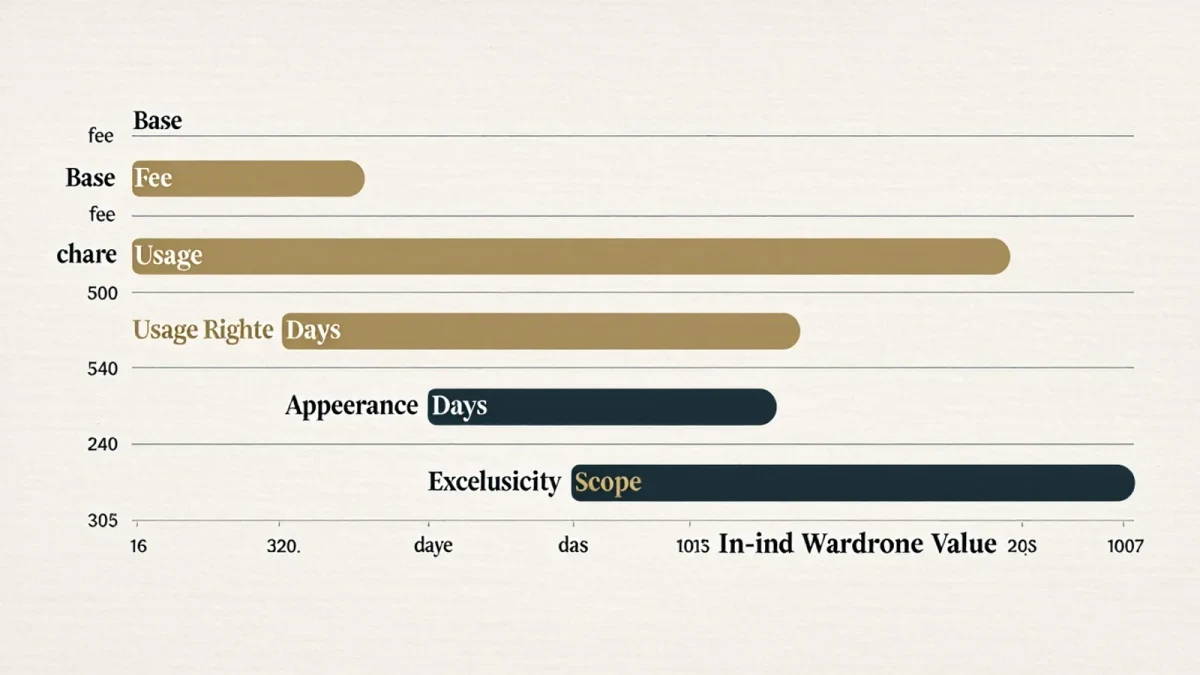
A one-off integration is a transaction: a fee, a deliverable, an approval process, done. An ambassadorship is a relationship with a term, usually six months to several years, in which the creator appears across a campaign rather than a single upload. Compensation typically combines a base retainer with performance bonuses, and the contract carries clauses a one-off never needs: category exclusivity barring the creator from the brand's competitors, morality and disclosure provisions, renewal options and termination triggers.
The usage rights are the biggest practical difference. One-offs license a post for the creator's own channels; ambassador deals routinely grant the brand paid-media rights, letting the company put the creator's face in television, print, out-of-home and paid social, which is why ambassador fees price at multiples of integration rates. The creator is no longer renting an audience slot; they are licensing a persona.
| Term | One-off integration | Ambassador deal |
|---|---|---|
| Duration | Single post or short flight | 6 months to multi-year |
| Exclusivity | Rare, narrow | Category-wide standard |
| Usage rights | Creator channels only | Often includes paid media and brand channels |
| Compensation | Flat fee per post | Retainer plus bonuses, sometimes renewal escalators |
| Approval burden | Per deliverable | Campaign-level, ongoing |
How are the deals structured in practice?
Contracts usually specify a minimum number of appearances or content pieces per quarter, the platforms they run on, approval workflows and turnaround times, and how much creative control the brand exercises. Renewal is where the leverage sits: brands often hold options to extend at pre-negotiated rates, which protect the company if the creator's audience grows and cost the creator upside if it does. Creators with competent representation push for performance-based escalators, audience-threshold bonuses or re-pricing at renewal instead.
Longevity in these arrangements is genuinely long when the fit holds. George Clooney's association with Nespresso began in 2006 and was still running as of 2025, making it one of the longest-running celebrity ambassadorships in advertising. On the creator side, multi-year pairings between major platforms and top TikTok names, such as Dunkin's long-running relationship with Charli D'Amelio that began with a named drink in 2020 and expanded across subsequent campaigns, show the same structure migrating from celebrity advertising into influencer marketing.
Why do brands pay the premium?
The advertising logic is frequency and association. A single integration reaches an audience once; an ambassador appears in the audience's feed repeatedly over months, which is how brand association actually forms. There is also a signaling benefit: a creator who consistently uses a product lends it credibility a rented post cannot, because the audience can observe the relationship over time and infer it is not purely transactional.
The premium also buys category denial. Exclusivity removes a competitor's easiest route to the same audience, which matters most in crowded categories like beverages, beauty and financial apps where the same dozen creators would otherwise rotate through every brand in the space.
What are the risks for each side?
For creators, the concentrated risk is reputational: multi-year commitments outlive public sentiment, and a brand controversy mid-contract forces the choice between income and audience trust, with morality clauses deciding the exit terms. There is also audience fatigue, the documented phenomenon of engagement declining on heavily sponsored feeds, which ambassador deals amplify by design. For brands, the risk is the creator's volatility, a scandal, a plateau or a pivot away from the platform the deal was built around, which is why termination and conduct clauses are the most negotiated sections after usage rights.
Both sides also carry disclosure obligations that do not shrink with contract length. Under the US Federal Trade Commission's endorsement guides, long-term relationships still require clear disclosure on each piece of sponsored content, and the FTC's updated 2023 guidance reaffirmed that being a paid ambassador does not exempt a creator from labeling paid promotion.
When does a creator say no?
The self-reported advice from established creators is consistent: exclusivity is the clause to price carefully, since it closes every other deal in the category for the term. A retainer that looks like guaranteed income can be a discount if it forecloses three competing offers at higher rates. The second common regret is unlimited usage rights granted at a per-post fee, which lets a brand run years of advertising off one contract's worth of payment. Competent representation prices usage and exclusivity separately from content, which is precisely why ambassador negotiations are, on both sides, mostly lawyers talking.
How has the creator side of the market matured?
Until the late 2010s, ambassador contracts were mostly a celebrity-advertising instrument, and influencers sold integrations one upload at a time. Two shifts changed that. First, platforms professionalized their biggest names: talent agencies that once represented actors and athletes began signing streamers and video creators, importing standard contract mechanics like morality clauses, renewal escalators and usage grids into influencer deals. Second, brands learned that audience retention beats reach spikes: measurement available from 2019 onward let marketing teams compare repeat-purchase and brand-lift numbers from ambassador campaigns against one-off flights, and the long-term structures consistently showed stronger association effects, which is why budgets migrated. By the mid-2020s, industry summaries of influencer marketing spend described multi-month partnerships as a growing share of total budgets, though exact figures vary by source and methodology. The through-line is contractual, not cultural: the influencer market converged on the deal shapes advertising had spent decades refining, because the underlying product, a trusted face associated with a brand over time, was the same one it had always been selling.
Everything here reflects contract practice and public campaign records as of 2025; deal terms are private and vary widely.