When people search a fashion brand's name next to the word "influencers," they usually want to know one thing: what is the deal, and is it worth it? The short answer is that big apparel brands rarely buy a single post. They build an ambassador roster — a group of creators on standing contracts who post repeatedly over months and get paid in some mix of cash, product, and commission.
The most important qualification: these deals are private contracts. The brand and the creator know the terms; the public usually sees only the tagged photos. So what follows is how these programs are generally structured and what determines pay, not a leak of any one brand's rate card.
What is a brand ambassador program?
A brand ambassador program is a standing arrangement in which a creator promotes one brand repeatedly instead of making a single sponsored post. The creator agrees to a set of deliverables — posts, stories, event appearances — over a defined period. In return, the brand pays a fee, supplies free product, or both.
The logic is simple. One post is an ad. A repeated presence starts to look like a genuine preference, and audiences respond to that. As Wikipedia's overview of influencer marketing notes, an influencer is someone who can shift the attitudes or decisions of others through their relationship with an audience — and a standing brand association is designed to borrow exactly that relationship.
It also explains why brands keep rosters rather than signing one big name. Different creators reach different pockets of the same customer.
How does a brand pick its ambassadors?
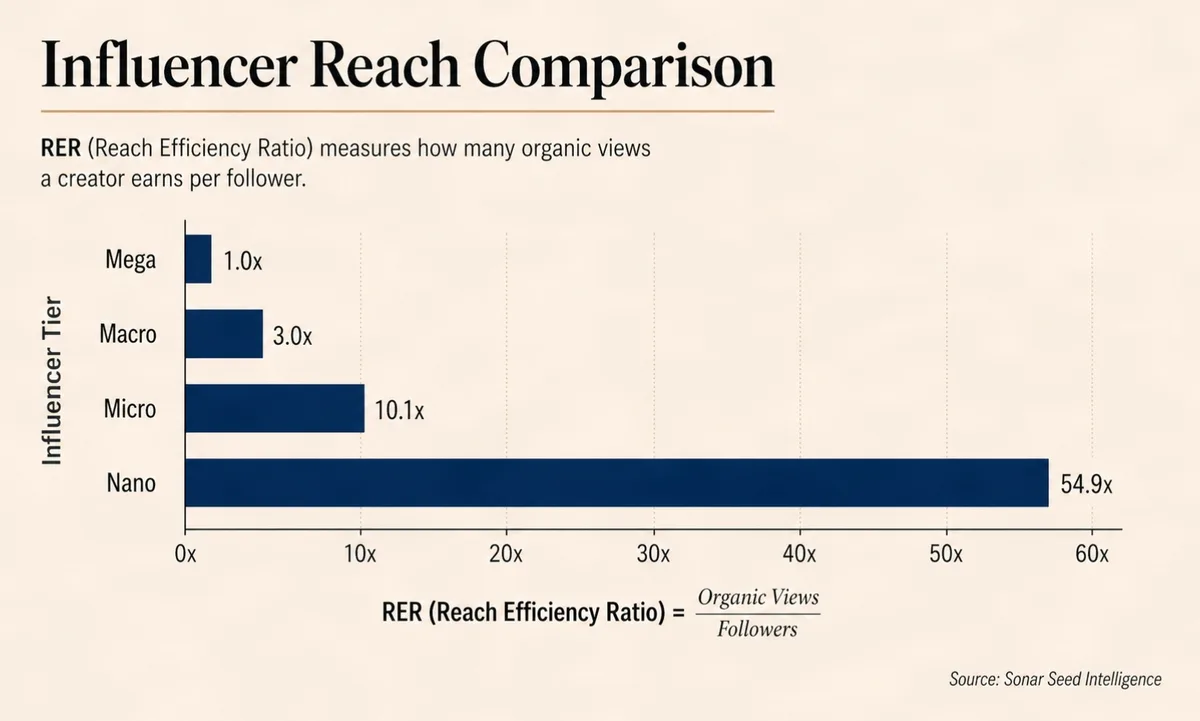
Rosters are built in tiers, and the tiers matter more than the headliners. A typical fashion roster mixes a few famous faces at the top, a middle band of established creators, and a long tail of smaller accounts — sometimes called nano- and micro-influencers — who post in exchange for product plus a modest fee.
The small accounts are not filler. According to Influencer Marketing Hub's guide to influencers, nano-influencers average engagement rates of around 3.69%, more than double those of macro-influencers. Small audiences that actually trust the creator can outperform big audiences that scroll past.
Brands also check the basics before signing anyone: audience fit, content quality, and whether the follower count is real. Fake followers are an industry-wide problem, and brands audit for them — our own guide to how brands audit for fake followers walks through what that screening looks like.
What do ambassadors actually get paid?
There is no standard number, and anyone who quotes one flat rate for "ambassador deals" is guessing. Pay varies with three things: audience size, engagement, and usage rights — whether the brand can reuse the creator's content in its own ads.
The structure usually stacks several layers:
- Cash fee — a flat payment per deliverable or per month of the contract.
- Product — free items, sometimes with an expectation of posts in return.
- Commission or affiliate pay — a cut of sales from the creator's link or code.
- Equity or investment roles — rare, and reserved for the top of the roster.
That last layer is no longer hypothetical. Rolling Stone's 2025 list of the most influential social media creators profiles Alix Earle, who became an investor in the canned cocktail brand SipMargs and appeared in a Super Bowl commercial — the kind of arrangement that turns a paid post into an ownership stake.
For a fuller breakdown of how each layer is priced, see our explainer on what a brand deal actually pays, and our companion piece on how much influencers make overall.
Why do brands prefer long contracts to one-off posts?
Three reasons, and they all come back to risk.
First, repetition works. A creator who mentions the same brand across weeks of content reads as a real fan, not a rented one. Second, contracts give the brand control — exclusivity clauses can stop an ambassador from promoting a rival label mid-campaign. Third, long deals are cheaper per post than buying each post separately at premium one-off rates.
For creators, the trade-off is the mirror image. A standing contract means predictable income, which matters in a business where pay is famously lumpy. It also means less freedom: the exclusivity that protects the brand limits what else the creator can monetize. Our breakdown of long-term brand ambassador deals covers those clauses in detail.
What this means for creators chasing a roster spot
Our analysis of how these programs are built points to a consistent pattern: brands hire for fit, not fame. The creators who land roster spots tend to have an audience that matches the brand's customer — same age range, same style, same shopping habits — and a track record of content that already looks like it could run in the brand's feed.
That is why tier classification matters so much in pricing. Before any negotiation, a brand slots a creator into a tier based on reach and engagement, and the tier sets the starting rate. Our guide to how influencer tier classifications affect campaign pricing explains how that sorting works. We covered a connected angle in How Influencer Tier Classifications Affect Campaign Pricing and Brand Fit.
Practical steps for a creator who wants onto one of these rosters are unglamorous: build a coherent niche, keep engagement healthy, disclose sponsored content properly — the FTC's rules apply to every post, as our summary of what the FTC requires influencers to disclose makes clear — and treat smaller brand deals as auditions. Rosters grow from the bottom tier up.
The scale of the money behind this is real. Influencer Marketing Hub's 2026 benchmark reporting found that 87.49% of surveyed marketers expect their influencer budgets to increase, with 72.22% expecting growth of at least 50%. Standing ambassador programs are where much of that budget lands, because brands have learned that a familiar face beats a rented one.
The bottom line on ambassador rosters
Ambassador programs turn influence into an ongoing commercial relationship: brands get repetition and control, creators get steadier pay, and audiences get — in the best case — partnerships that actually fit. What the evidence establishes is the structure and the incentives. What no public source can establish is any single brand's exact rates, because those live inside private contracts. Anyone quoting a specific figure for a specific brand's roster is filling in a blank the company never published.