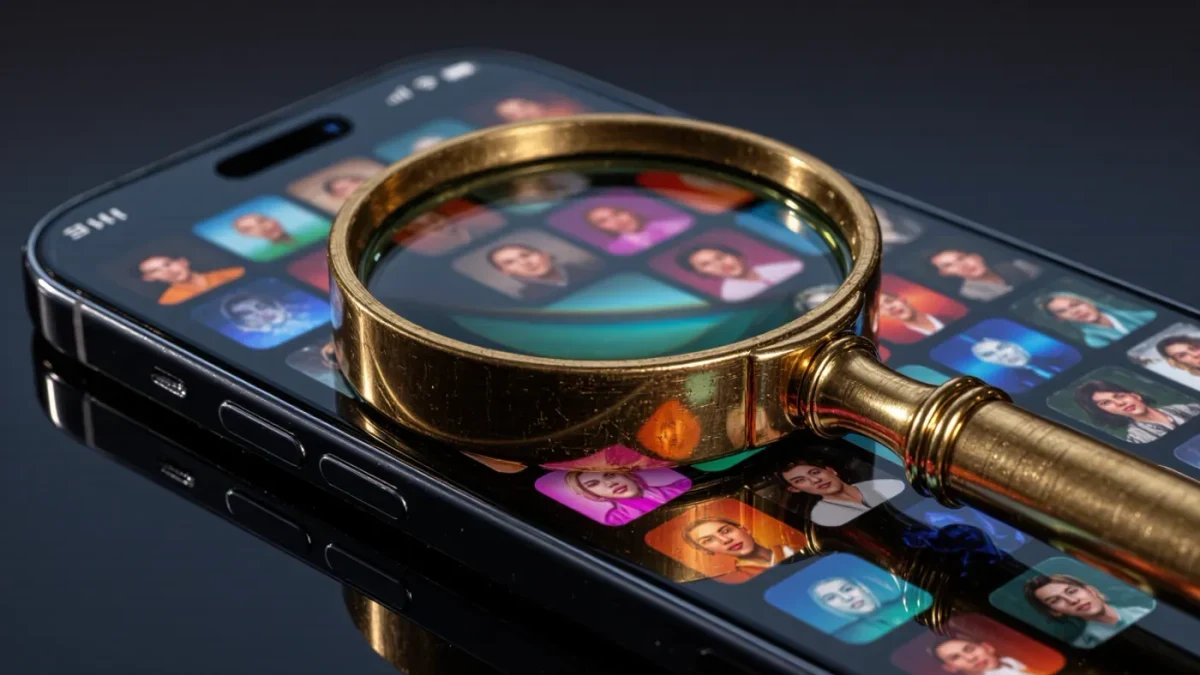
Audit comes before the contract: follower counts are the easiest number to fake and the most expensive to buy blind. Standard checks compare engagement rates against tier benchmarks, scan follower-growth curves for bought spikes, and read comment sections for bots. The industry has sized the problem — HypeAuditor's 2021 report estimated about 45 percent of Instagram accounts were fake.
How big is influencer fraud, really?
The credible estimates are large. HypeAuditor's 2021 state-of-the-industry report put fake Instagram accounts near 45 percent and found a majority of influencers showed at least some signs of inauthentic activity. Two years earlier, a widely cited study from ad-fraud researcher Cheq and the University of Baltimore put the annual cost of influencer fraud to advertisers at roughly $1.3 billion.
The supply side became public earlier. The New York Times' 2018 "Follower Factory" investigation documented a market in purchased followers and engagement, tracing fake accounts sold to celebrities, brands and politicians. The exposure normalized what practitioners already knew: audience numbers on a profile are claims, not measurements, and the industry needed its own verification layer.
What changed after the exposure was process rather than purity. Buying followers moved from a growth tactic to a liability, and brands — advised by the measurement tools that followed — made audience audits a standard pre-contract step, the way credit checks precede lending.
Which signals do auditors read?
Audits triangulate several independent signals, because each one alone can mislead: a genuine viral moment produces a growth spike, and a quiet posting month depresses engagement. Converging evidence is the product — multiple weak signals pointing the same way.
| Signal | Healthy pattern | Red flag |
|---|---|---|
| Engagement rate vs tier | Near the tier's normal band | Far below benchmark — dead weight in the count |
| Follower growth curve | Smooth, gradual slope | Vertical spikes unexplained by viral posts |
| Audience geography | Matches the creator's market and language | Concentrated in unrelated regions, known bot farms |
| Comment substance | Specific, on-topic replies | Generic emoji strings, off-topic praise, repeated phrasing |
| Like-to-comment ratio | Plausible for the niche | Extreme skew — bought likes without bought comments |
| Follower-following pattern | Normal for the tier | Mass-follow, mass-unfollow signatures |
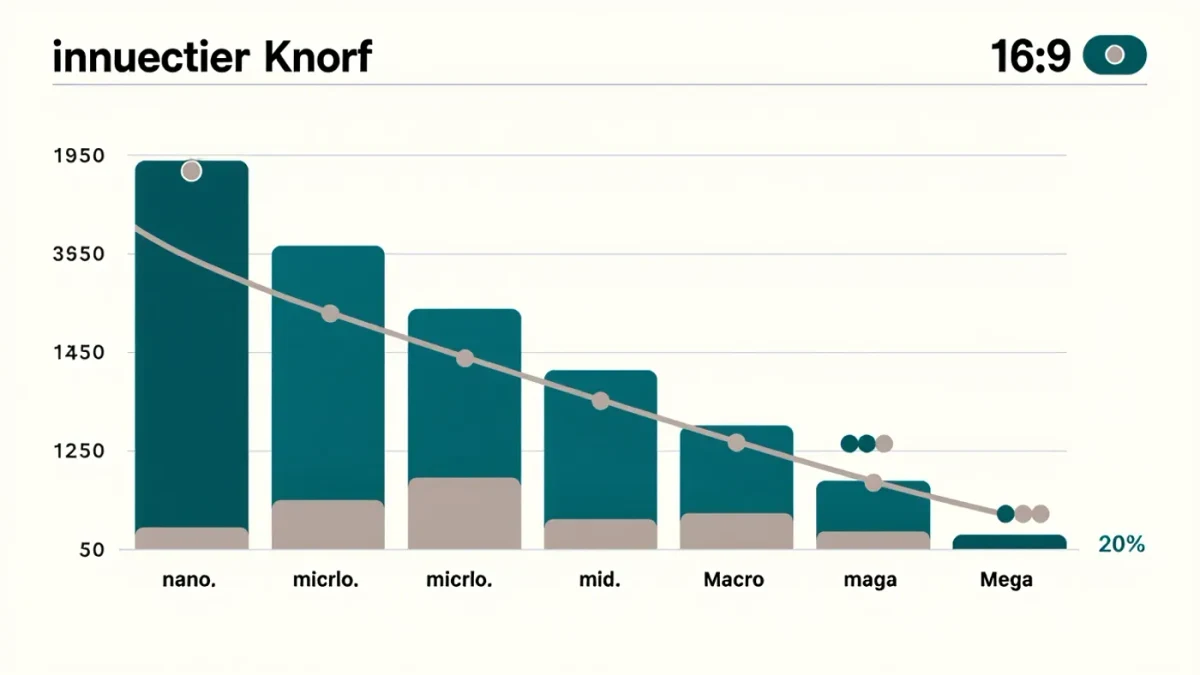
The engagement-rate signal deserves its caveat: benchmarks are bands, not laws, and the documented pattern is that engagement declines as accounts grow. A nano account near 4 percent and a macro account near 1 percent can both be perfectly healthy — which is why auditors compare within tiers, never across them.
What tools run the audit?
The professional tier is populated by audience-verification platforms — HypeAuditor, Modash and CreatorIQ among the best-known — that score follower quality, geography and authenticity from platform data. Social Blade plays the free, undervalued role: public growth charts that make bought spikes visible to anyone willing to look.
Tool outputs are estimates, and methodologies differ enough that two platforms can score the same account differently. Experienced buyers use them as screening filters — disqualifying outliers — and then verify finalists with the creator's own native analytics screenshots, which remain the closest thing to ground truth available outside the platforms themselves.
The tooling is version-dated by nature: platforms change their data access and interfaces, and scoring models update. What persists across versions is the triangulation logic — growth, engagement, geography, comment substance — which any buyer can run manually at smaller scale.
How do you audit an account by hand?
A useful manual audit takes under an hour per account and follows the same logic the platforms industrialized:
- Pull the follower-growth history on a public tracker and mark any vertical spike; ask the creator what caused each one.
- Compute engagement rate across the last twelve posts — average likes plus comments, divided by followers.
- Compare the result against the tier's typical band, not against accounts of other sizes.
- Open fifty recent comments and score them for specificity: on-topic replies versus emoji strings and boilerplate.
- Check audience geography and language in the creator's native analytics against the market the campaign actually targets.
- Request native-analytics screenshots and cross-check follower demographics against what the public profile implies.
The point of the manual pass is not to replace the tools but to keep judgment attached to the numbers. A spike explained by a legitimate television feature is growth; a spike explained by nothing is the audit's answer.
How do creators pre-audit themselves?
Creators on the sell side run the same checks defensively: monitor the growth curve for unexplained spikes, report and remove bot followers where the platform allows, purge spam comments regularly, and keep native analytics current for verification requests. The media kit should carry real engagement figures, not follower counts alone.
Two behaviors that read as fraud are worth avoiding on principle. Engagement pods — reciprocal-comment groups that simulate engagement — violate platform policies on artificial amplification, and their uniform comment patterns are among the easiest for auditors to spot. Purchased followers, even as a mistake or a third-party "growth service," are indelible: the accounts cannot be selectively removed once the damage is priced in.
The market's direction rewards the clean account. As audits became standard practice, genuine audience quality turned from an invisible virtue into a priced asset — the creator who can pass verification cleanly negotiates against the fraud discount the market applies to everyone it cannot yet verify.
What does an audit change about pricing?
Audits reprice the deliverable from followers to expected real engagement: the same fee divided by fewer verifiable humans costs more, so inflated accounts should expect negotiated-down rates or disqualification. The re-pricing is unromantic but fair: the same deliverable from a verified audience is a different product from one wrapped in purchased numbers. For honest accounts, the audit is the argument for premiums — evidence that the audience is real is scarce enough to command one.
For buyers, the workflow ends in portfolio construction rather than a verdict. Audited micro and mid-tier accounts assembled in numbers replace risky single large buys, concentrating budget where verification passes. The audit, in other words, is not an accusation — it is the market's mechanism for deciding which creators' audiences count as inventory, and at what price.