Influencer earnings from brand deals range from under $100 per post for accounts with a few thousand followers to six-figure campaigns for celebrities, and the spread inside each tier is wide. Published benchmarks, drawn from industry surveys and self-reported rates, put a single Instagram post from a 100,000-follower account between $500 and $5,000, before usage rights or exclusivity are added.
What are the benchmark rates by audience size?
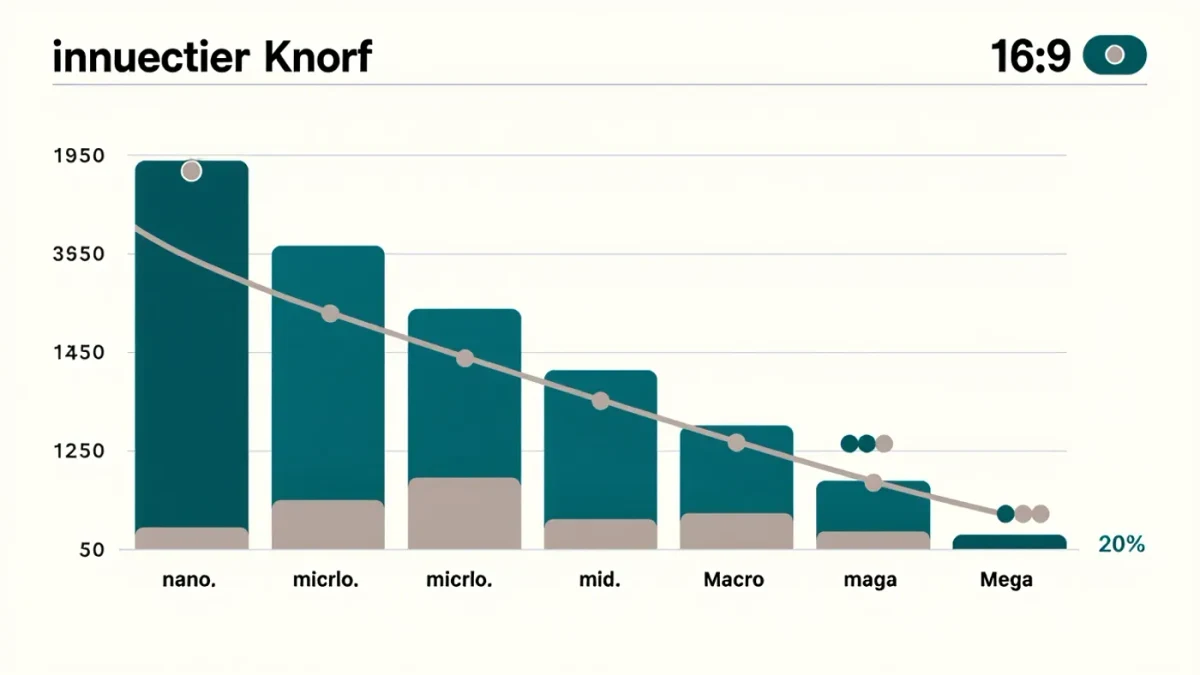
The most widely used benchmarks price a single Instagram feed post by follower tier: nano accounts under $100, micro accounts in the low hundreds, mid-tier accounts in the hundreds to low thousands, and macro and mega accounts from the high four figures upward. Platform, engagement and niche then move the number within each band.
| Tier | Followers | Typical rate, one Instagram post* |
|---|---|---|
| Nano | 1,000–10,000 | $10–$100 |
| Micro | 10,000–100,000 | $100–$500 |
| Mid-tier | 100,000–500,000 | $500–$5,000 |
| Macro | 500,000–1,000,000 | $5,000–$10,000 |
| Mega | 1,000,000+ | $10,000+ |
*Ranges from widely used annual benchmark reports based on surveys and self-reported rates, as of 2024. They are orientation, not tariffs — two accounts at the same follower count can price an order of magnitude apart once niche and engagement are priced in.
How do platforms change the math?
Platform choice moves the rate as much as follower count. TikTok posts commonly price below Instagram at equal audience size because reach is cheaper there; YouTube integrations are usually priced per expected view rather than per follower; Instagram Stories bundle below feed posts; and each platform's payouts to creators are version-dated policies that change without much notice.
YouTube's convention is the clearest example. Sponsored integrations are commonly quoted using a rough rule of $20 to $50 per 1,000 expected views, a media-buyer convention rather than an official rate. A channel whose videos reliably open at 50,000 views prices a mid-video integration somewhere between $1,000 and $2,500 by that arithmetic — often more if the niche is valuable.
Niche adjusts everything downward or upward from the platform baseline. Finance, business software and home services command premiums because a customer is worth more to the advertiser; broad lifestyle content prices closer to the standard bands. A 50,000-follower finance creator can out-earn a 300,000-follower general-lifestyle account on the same deliverable.
What moves an influencer's rate up or down?
Beyond audience size, rates rise with engagement above the tier average, a niche with high customer value, professional production, and reliable turnaround. Rates fall for long-term commitments, bundled deliverables and product-inclusive deals — and usage rights and exclusivity, when granted, are supposed to be paid add-ons rather than free inclusions.
Engagement is the multiplier brands check first. An account whose audience actually responds delivers conversions a passive follower list cannot, so consistent above-benchmark engagement supports premium quotes. Audience quality matters in the same direction: brands increasingly audit follower authenticity before signing, and geo mismatch — an audience concentrated in markets the brand cannot serve — discounts a rate quickly.
Deliverable scope sets the floor. A single feed post, a three-frame Story sequence, a dedicated YouTube video and a usage buyout are different products with different prices. Sophisticated influencers quote them separately, which also keeps negotiations honest about what is actually being bought.
How much of a brand deal does the influencer actually keep?
Less than the invoice. In the United States, self-employment tax alone takes 15.3 percent of net earnings before income tax; representation, where signed, commonly takes 10 to 20 percent of deal revenue; production costs, products and travel eat into the rest; and the pitching and negotiation time is unpaid until a deal closes.
The stack is why headline rates mislead. A $5,000 post that costs $700 in production, pays a 15 percent manager commission and carries a 30 percent combined tax load nets the creator roughly half — before accounting for the hours of outreach that produced it. Full-time influencers therefore think in effective hourly and net terms, not in per-post gross.
Gifted deals, where payment is product rather than cash, deserve the same accounting. A $150 product for a full deliverable plus usage rights is usually a poor trade at market rates, and in the US gifted product generally counts as taxable barter income anyway, with disclosure obligations attached.
How skewed are influencer earnings overall?
Steeply. Industry reporting and creator surveys consistently find that a small share of creators earns the large majority of the category's income, with most earning little or nothing from brand deals in a given year. The benchmark tables describe the working minority, not the average participant.
That skew has mechanics behind it. Brand budgets concentrate on creators who reliably deliver reach or conversion; agencies sign those with track records; and audience growth compounds for accounts already favored by recommendation systems. The result is a profession where median earnings are modest and top earnings are extreme — closer to entertainment than to employment.
For anyone pricing themselves, the skew argues for benchmarks as a floor-check rather than a target. The defensible rate is the one a specific brand accepts for a specific deliverable with specific usage — and the second data point, not the first, is what starts a real rate history.
How many brand deals does a working influencer book?
The volume question has no clean public answer, but the shape is consistent across industry reporting: active mid-tier creators typically run a handful of paid campaigns a month, nano and micro accounts run closer to a few per quarter, and the largest accounts mix long ambassadorships with occasional integrations. Cadence is bounded by audience tolerance more than by demand.
That tolerance is the real constraint on annual earnings. Accounts that load every post with sponsorships watch engagement decay — the currency the rates were built on — so experienced creators cap the sponsored share of output, often keeping it to a minority of posts. The result is a natural ceiling: earnings scale with audience, but booking more deals risks shrinking the asset that earns them.
Who publishes these numbers, and can they be trusted?
The benchmark ranges come from annual industry reports and surveys where rates are self-reported by creators and marketers, so they describe market sentiment more than verified invoices. Actual deal prices are private, negotiated one by one, and rarely confirmed on the record by either side.
Treat the tables accordingly: useful for orientation, weak for precision. The numbers move with the ad market and platform policies, both of which are version-dated and shift without notice. The reliable inputs for any specific negotiation remain the account's own median reach, engagement and past deal history — which is exactly what brands ask to see.