Creator insurance is coverage that protects a creator's business the way a shop owner's policy protects a store. Most creators need nothing beyond a homeowner or renter policy at the start. The coverage that matters shows up when money changes hands: brand deals, hired crews, rented studios, and readers who act on your advice.
The four types that come up most are general liability, professional liability, equipment coverage, and media or defamation coverage. Which ones you need depends on scale. A solo vlogger filming at home has a very different risk picture from a creator with employees, a studio, and sponsors. This piece explains what each type covers and the point at which it usually becomes worth a conversation with a licensed agent.
First, a definition, because the industry term gets used loosely. Merriam-Webster defines a creator as "one that creates usually by bringing something new or original into being," and notes the word dates back to the 14th century (Merriam-Webster). In the modern economy, that original work is also a business, and businesses carry risk. Insurance is one tool for managing it. It is not a substitute for careful contracts, which we cover separately in our guide to creator contract red flags.
What is general liability insurance, and when does a creator need it?
General liability covers claims that your business activities hurt someone or damaged their property. If a viewer trips over a light stand at your meetup, or you knock over a borrowed camera at a client's office, this is the category that responds. It is the most basic commercial policy and the one landlords, event venues, and many brand partners ask to see.
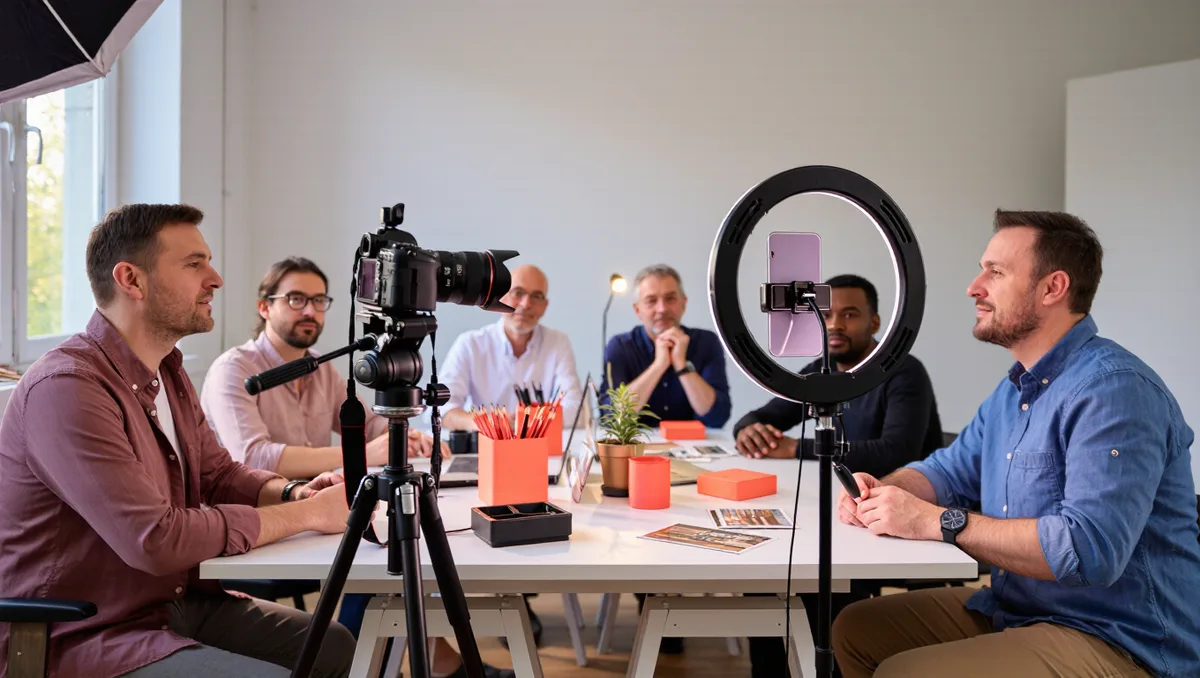
The trigger point is usually physical presence somewhere that is not your home. Filming in a rented studio, hosting a live show, running a fan meetup, or working on a brand's set all put you in places where third parties can make claims. A home renter or homeowner policy sometimes excludes business activity, which surprises people. If your work regularly happens off-site or involves other people on set, that is the moment to ask an agent about a general liability quote.
What does professional liability cover for creators?
Professional liability, sometimes called errors and omissions, covers claims that your professional work caused someone a financial loss. For creators, the common scenarios are advice and missed deliverables. A viewer follows your financial or fitness content and claims it cost them money. A sponsor claims you failed to deliver the posts your contract promised. In both cases, the claim is about the quality or effect of your work, not a physical accident.
This coverage becomes relevant when your content carries real influence over decisions and when contracts carry delivery obligations. Creators in finance, health, legal-adjacent topics, and career coaching sit closest to this exposure, as do creators signing larger brand deals. Our piece on how YouTube's ad revenue share actually works covers one income stream; sponsorships are the stream where contractual promises, and therefore this risk, concentrate. Note that policies vary widely in what they exclude, so the specifics of any quote come from the insurer, not from general guidance.
Do you need equipment insurance for cameras and gear?
Equipment coverage pays to repair or replace the tools of the trade after theft, damage, or some loss events. Cameras, lenses, microphones, lights, and laptops are the usual items. It matters most once the gear is expensive, portable, and essential to income.
Two practical notes. First, personal policies often cap or exclude business equipment, so a growing kit may not be fully protected under a standard homeowner policy. Second, this is the coverage with the clearest paperwork habit attached: keep purchase records and serial numbers, because claims go faster when you can show what you owned. A creator who can replace a lost camera out of pocket without touching their runway does not urgently need this policy. Our piece on how much creators should have saved explains that buffer logic; insurance and savings partly do the same job from different directions.
What is defamation insurance, and who actually needs it?
Media liability, often discussed as defamation coverage, responds to claims about what you publish: libel, slander, copyright claims, and privacy complaints. Defamation means a false statement of fact that harms someone's reputation. Opinion is generally not defamation, and truth is a defense, but defending even a weak claim costs money.
The exposure grows with audience and with subject matter. Commentary on named individuals, investigations, and drama-adjacent coverage carry more risk than a cooking tutorial. Two habits reduce the need before any policy does: cover public figures through their public, professional lives only, and attribute every factual claim to a named, on-record source. Creators who publish investigative or personality-focused work at scale are the group most likely to be quoted a media liability policy. If you are weighing a story that could draw a legal complaint, that is a question for a lawyer, not for an article, and we do not answer it here.
How the four types compare
| Coverage type | What it responds to | When it usually comes up |
|---|---|---|
| General liability | Bodily injury or property damage from business activity | Rented spaces, events, crews, venue requirements |
| Professional liability | Claims your work caused a financial loss | Advice content, sponsor deliverables, consulting |
| Equipment coverage | Theft or damage to gear | Expensive, portable kit that income depends on |
| Media liability | Publication claims: defamation, copyright, privacy | Larger audiences, commentary on named people |
What this means in practice: the policy follows the milestone, not the follower count. Hiring your first contractor or assistant is a milestone worth flagging to an agent, since employment changes the liability picture. Our guide to how creators build their first team walks through that transition. So is signing your first substantial brand deal, which is also the moment to revisit contracts. And once monetization is real, treat insurance questions the way you treat tax questions, as part of running the business; our explainer on how creator taxes work covers the neighboring paperwork.
A few practical steps, in order. List what you own and what could go wrong with it. Check whether your current personal policy covers business activity, and ask your insurer directly where it does not. Talk to a licensed agent or broker who works with small businesses, and describe your actual work: where you film, who you hire, what you publish. Get any requirement, like a venue's certificate of insurance demand, in writing before you quote. And revisit the picture once a year, because a creator business at 12 months rarely looks like it did at month one.
The takeaway for working creators
Nothing here says every creator needs a policy portfolio. It says the decision points are identifiable: rented spaces and events point at general liability, advice and sponsor obligations point at professional liability, a serious kit points at equipment coverage, and publishing about named people at scale points at media liability. The evidence base for any specific policy, price, or exclusion is the insurer's own documents, so treat every quote as the source of truth for what it covers. What remains unknown from general guidance alone is your own exposure, and that is exactly what a licensed agent is for.