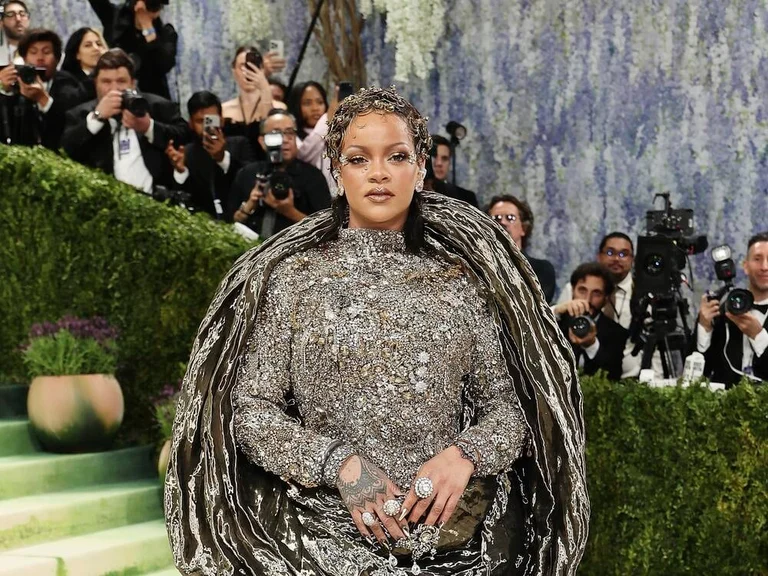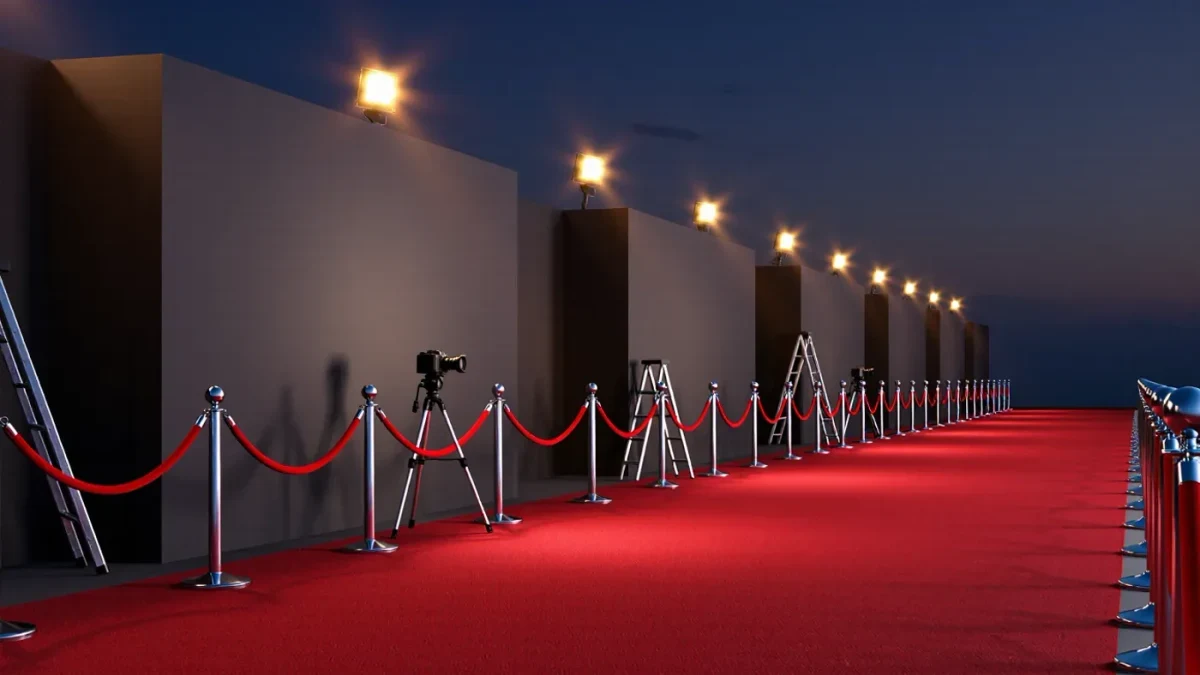
Creators on the red carpet have moved from outside the barricades to official correspondent roles. Vogue put Emma Chamberlain on its Met Gala livestream in 2021, festivals and studios credential digital press, and carpet coverage is increasingly produced for vertical feeds. The change competes with legacy outlets for access and reshapes what a carpet interview is.
How did creators get accredited?
Through publishers and platforms rather than press cards. When Condé Nast put Emma Chamberlain on Vogue's official Met Gala livestream in 2021, the credential belonged to the magazine and the creator held the microphone. Studios and festivals followed, accrediting creators through brand partnerships and media teams.
The Met Gala became the proof of concept. Chamberlain returned as the official carpet correspondent in subsequent years alongside co-hosts including Ashley Graham and La La Anthony, and the guest lists themselves began including creators, a visible promotion from carpet commentary to carpet presence.
Institutions elsewhere confirmed the same shift. The White House briefed dozens of TikTok creators on its Ukraine communications in March 2022, a documented signal that governments and studios alike treat creator channels as press channels. Accreditation followed the audience, and the audience had moved.
What does creator carpet coverage look like?
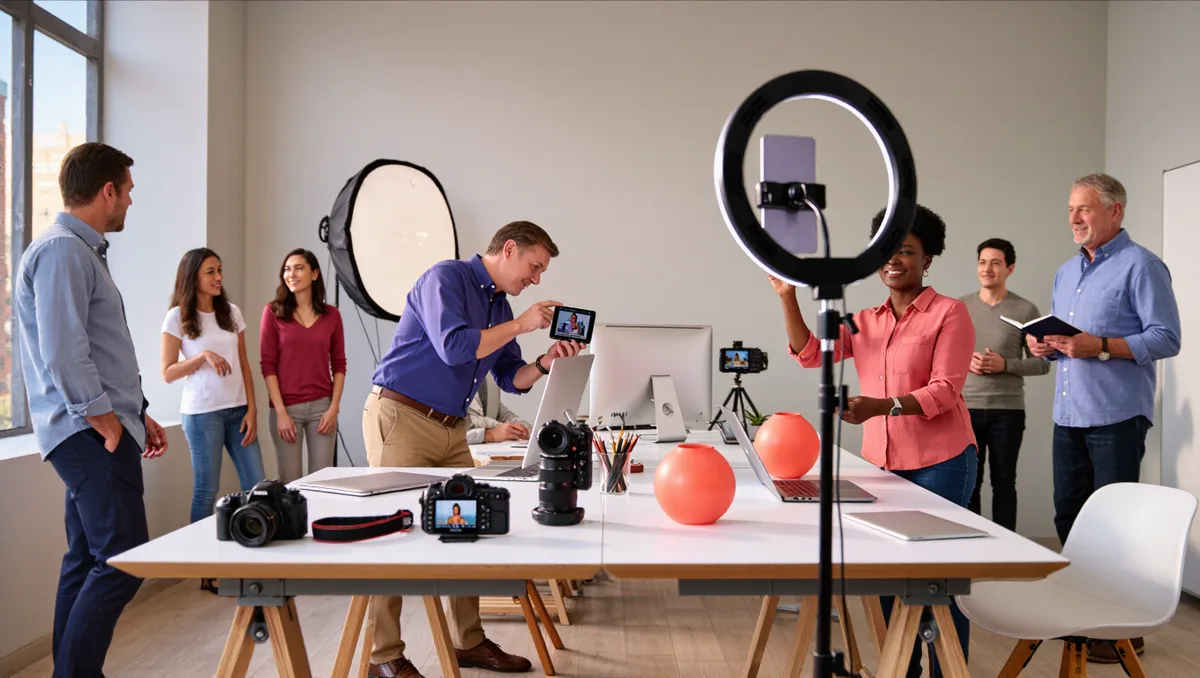
Vertical, fast and personality-led. Where a legacy correspondent delivers a scripted back-and-forward for a fixed camera, creator coverage is framed for a phone: single questions with room for reaction, fashion close-ups, and segments that can be cut into clips within minutes of the handshake.
The memorable moments are usually structural, not scripted. Chamberlain's 2021 exchange with Jack Harlow, in which each introduced the other by name and the clip circulated for days, showed what the format does well: intimacy that a formal interview suppresses. The awkwardness is the product.
Around the carpet itself, a support genre grew. Get-ready content, fitting videos and jewelry walkthroughs turn the hours before arrivals into coverage of their own, and stylists and houses coordinate those posts with disclosure-compliant tags. The carpet now has a pre-show made by its guests.
Why do hosts and brands prefer creators sometimes?
Reach and cost, in that order. A creator correspondent brings an audience the broadcast has to buy, posts coverage on the platform where it will actually circulate, and works for a fraction of a network special's budget. For fashion houses, a creator's carpet post is advertising with an editorial alibi.
The fit is demographic. Younger audiences follow people, not programs, so a publisher like Vogue casting a YouTuber is converting its franchise into a creator's voice for one night. The strategy is explicit in how the roles are credited: the creator is the show, and the publisher is the credential.
There is also a control advantage. Creator coverage is shorter, friendlier and less likely to generate a difficult headline than a full press-line scrum, which is why publicists increasingly schedule creator slots first. Access is traded for tone, and both sides know the terms.
How do film campaigns use creator carpet slots?
Premieres now run parallel lanes. Traditional press files through first on schedule, then a creator row gets timed interviews arranged by the studio's digital agency, with briefed questions and clip clearance built in. The creator slot is a planned distribution channel, not a press courtesy.
The mechanics are standard campaign work. Invitations flow through digital agencies, interviews run on embargo windows aligned to release dates, and where travel is paid, the arrangement falls under the same disclosure rules as any sponsored relationship. Studios treat the row as media buying with better targeting.
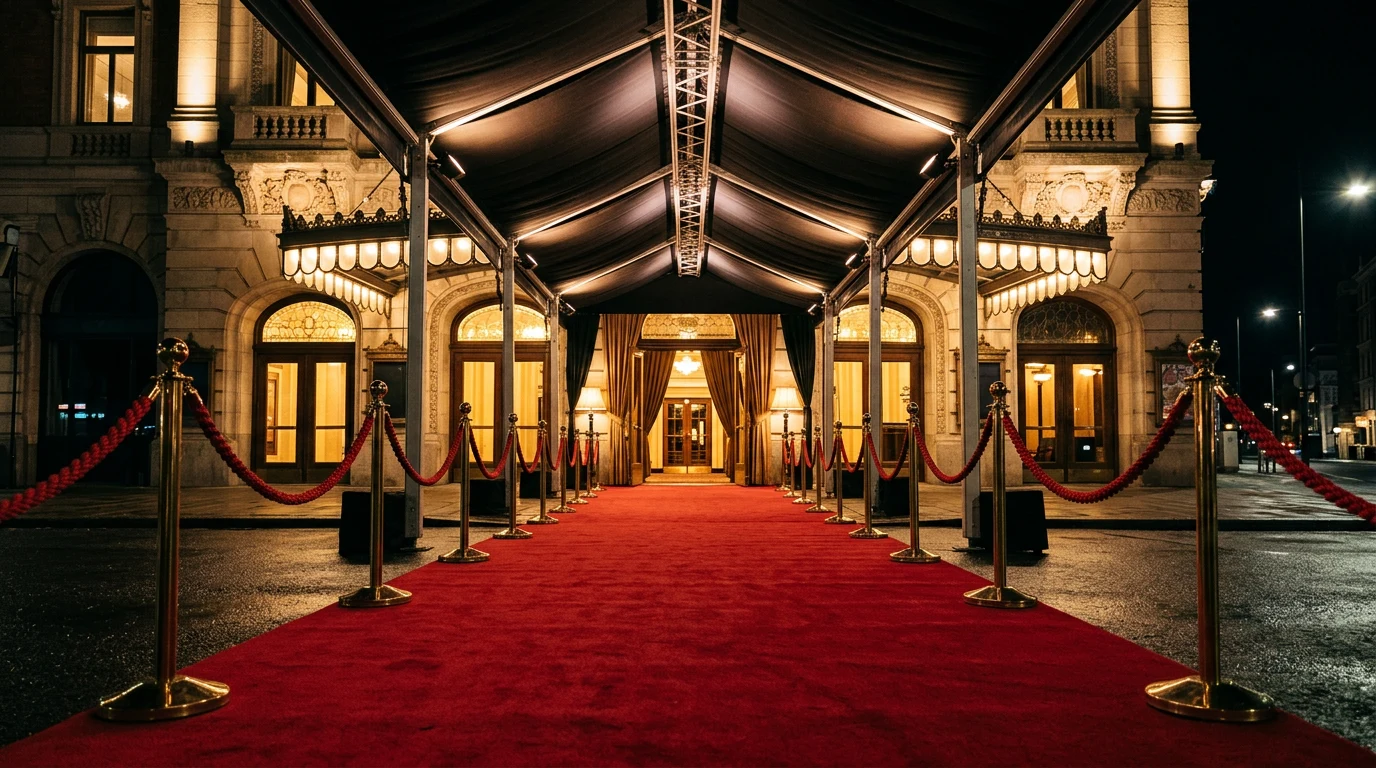
The appeal is opening-weekend math. Creator clips reach audiences that no longer watch entertainment news, and their performance is measurable within hours, which is why carpets grew longer through the 2020s and added vertical-friendly positions. The arrivals corridor is now built for both the broadcast camera and the phone, sometimes at the same minute.
How does accreditation actually work?
Credentials attach to outlets and roles, allocated by the event's media office. Legacy outlets request carpet positions for correspondents and photographers; creators usually arrive under a publisher's accreditation, a platform's media team or a brand partnership, and their slots are negotiated as part of campaign arrangements rather than news coverage.
Photography remains the most tightly controlled lane. Agency and wire photographers hold the core positions at premieres and ceremonies, because the images syndicate globally within minutes, and creator accreditation rarely includes those slots. The news picture and the social video are different rights with different holders.
The practical hierarchy, as of 2025: agencies own the stills, broadcasters own the live hours, publishers own the flagship streams, and creators own the clips that travel afterward. Most carpet controversies about access are really disputes about which layer gets which minute.
Is traditional carpet press disappearing?
Programming is shrinking; the wire is not. Several legacy entertainment outlets reduced their red carpet and studio programming through the 2020s, while agencies like Reuters and the Associated Press continued anchoring the news coverage of the same events. The decline is in the broadcast middle, not the news foundation.
What replaced the middle is layered coverage. A ceremony now runs an official livestream hosted by creators, vertical clips from a dozen credentialed channels, photographer syndication through the agencies, and a reduced number of legacy correspondent slots. The press line did not empty; it stratified.
For viewers, the consequence is navigational. No single outlet carries the whole carpet anymore, and the fullest picture assembles from an official stream, a few creator clips and the agency photo wire.
What should viewers read differently?
Treat creator carpet coverage as brand media, competently made. The correspondent is usually there through a publisher or brand arrangement, the fashion questions serve partnerships, and the disclosure rules for paid relationships apply as they do anywhere else. None of that makes the coverage worse; it makes it a different genre.
Two habits keep it straight. Notice who issued the credential, because the commissioning outlet's agenda frames the questions, and treat the friendliest interview of the night as the most produced. The carpet has always been staged; the change is that the staging now has its own correspondents.