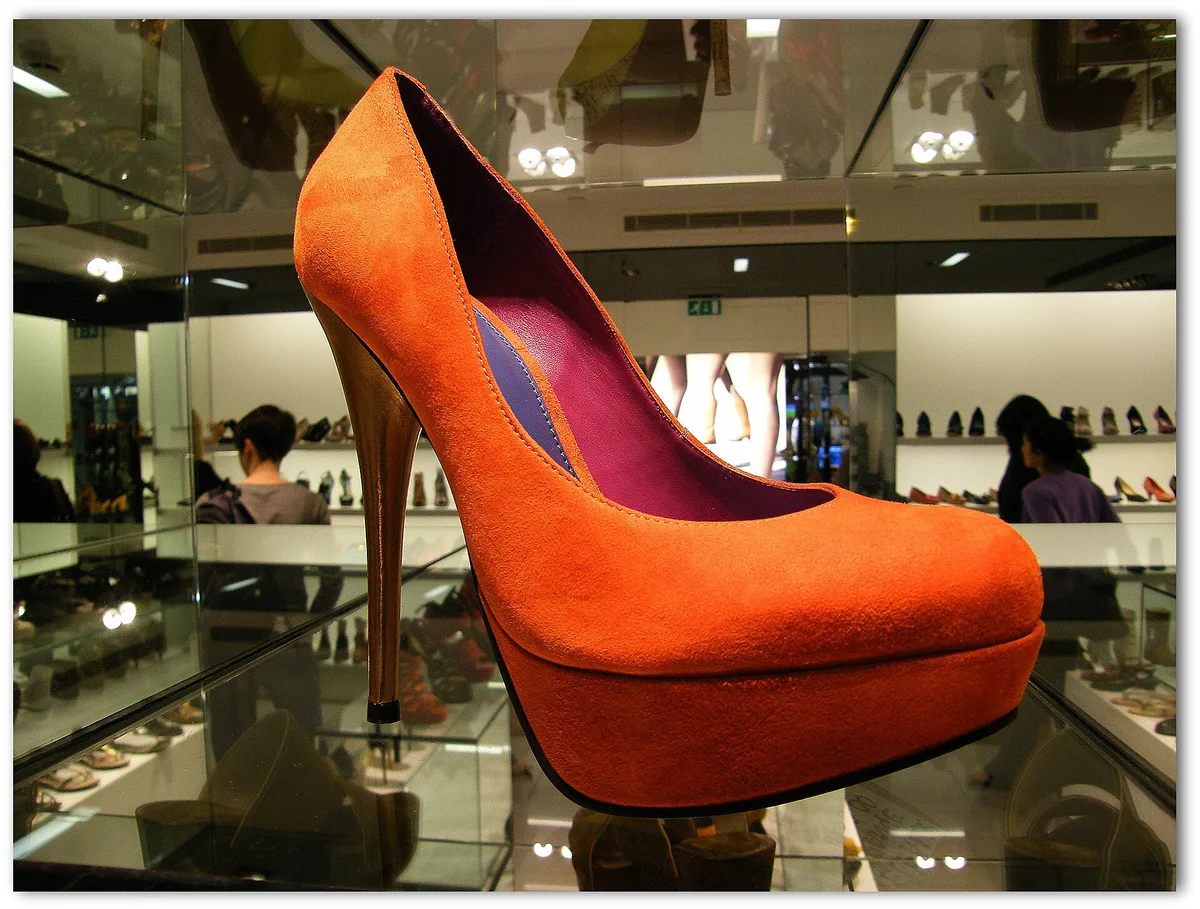
Platform shoes are shoes with a thick sole under the front of the foot, not just at the heel. They have appeared in fashion for centuries, from Venetian chopines to 1970s glam and today's runways. The through-line is simple: a raised sole changes posture, presence, and how a wearer is seen — which is why each era reinvents them.
A common myth holds that platforms are a modern gimmick. They are not. Elevated soles served practical and status purposes long before the runway, and their modern revivals track cultural moments rather than pure novelty. This piece sorts the durable history from the folklore, and ends with what to weigh before buying a pair. We covered a connected angle in Best platforms to sell online: a seller's comparison guide.
One caution on method: fashion history is full of retellings, and the field itself warns about this. As Wikipedia's overview of history as a discipline notes, historical research relies on primary and secondary sources to reconstruct the past, and source criticism is used to judge how reliable each account is. Shoe history deserves the same scrutiny — which is exactly where several platform myths fall apart.
Where did platform shoes actually begin?
The clearest early example is the chopine, a tall overshoe worn in Venice, reaching extreme heights in the sixteenth century. Chopines were less about comfort than about display. A raised wearer stood above a crowd, and the amount of expensive material in the sole signalled wealth. Similar raised footwear appeared elsewhere for practical reasons — protecting the foot from mud, water, or hot ground. Readers following this should also see How YouTube's Partner Program eligibility rules work — and what changes in 2027.
The myth to drop here is that platforms were invented for the disco floor. Elevated soles predate modern fashion by centuries, and their original logic was status and utility, not nightlife. What the twentieth century added was mass production, which turned a status object into a widely available style.
Why did the 1970s make platforms iconic?
The 1970s revival is the era most people picture, and it came out of glam rock and disco culture. Performers wanted height and theatricality on stage, and platforms delivered both without the instability of a thin stiletto. The style spread from stage to street, worn by men and women alike — a notable point, because the myth that platforms are a women's-only style does not survive contact with the decade.
What this means for today's reader: the 1970s established platforms as unisex performance wear. Every later revival borrows that framing, whether the context is music, club culture, or runway theatre.
How did platforms come back after the 1970s?
Platforms have returned in waves rather than staying away. The 1990s brought a chunkier, pop-culture-driven version, worn heavily in music and youth fashion. Later revivals pulled from both the 1970s silhouette and the 1990s one, and current runway seasons continue to show elevated soles in varied forms — from subtle flatforms to dramatic sculpted bases.
The pattern matters more than any single season. Platforms resurface when fashion wants drama and height without the delicacy of a heel. That makes them a cyclical style, not a passing one, and it explains why they keep reappearing in both luxury and mass-market collections.
Do platforms actually hurt less than heels?
Partly. A platform under the front of the foot reduces the angle the foot sits at compared with a plain heel of the same height, which can ease pressure on the ball of the foot. That is the genuine advantage. The trade-off is weight and rigidity: a thick sole can be clunky, and an ankle is no more protected in a tall platform than in a tall heel.
Our analysis: platforms trade one discomfort for another. They suit wearers who want height with a more level foot, and they suit anyone who finds stilettos unstable. They do not make height painless. Fit, sole flexibility, and ankle support matter more than the platform label itself.
What should you check before buying platform shoes?
Practical steps, in order:
- Check the sole drop. A higher platform under the toe relative to the heel means a flatter foot angle and, usually, more comfort.
- Test the flex. A sole that bends slightly at the ball of the foot walks more naturally than a rigid slab.
- Look at the ankle. Straps, laces, or a structured back hold the foot better than an open slide at any height.
- Weigh the shoe. Heavy platforms tire the leg; lighter materials cost more but wear easier.
- Consider provenance. Construction quality — how the sole is attached, how the upper is finished — is where the price is justified, or where it is not.
That last point is the auditor's question, and it applies to footwear as much as to anything else luxury-adjacent: what exactly is the premium paying for? With platforms, the honest answer is usually materials and build, not the silhouette, which mass brands copy freely.
What the history of platform shoes tells us
The evidence points one way: platforms are a recurring solution to the same old wants — height, presence, and a bit of theatre — reinvented by each era that needs them. From Venetian display to glam stages to today's runways, the mechanics barely change; only the styling does. The myths around them, that they are new, that they are for one gender, that they are automatically comfortable, do not hold up. What remains unknown is which direction the next revival takes, because that depends on fashion rather than on the shoe.