Celebrity brand deals disclosure rules are simple to state: paid posts must be clearly labeled, and regulators have enforced them with seven-figure penalties. The FTC requires any material connection between a star and a brand to be disclosed, while the SEC polices investment promotions, as Kim Kardashian's $1.26 million settlement in October 2022 showed.
What do the FTC rules actually require?
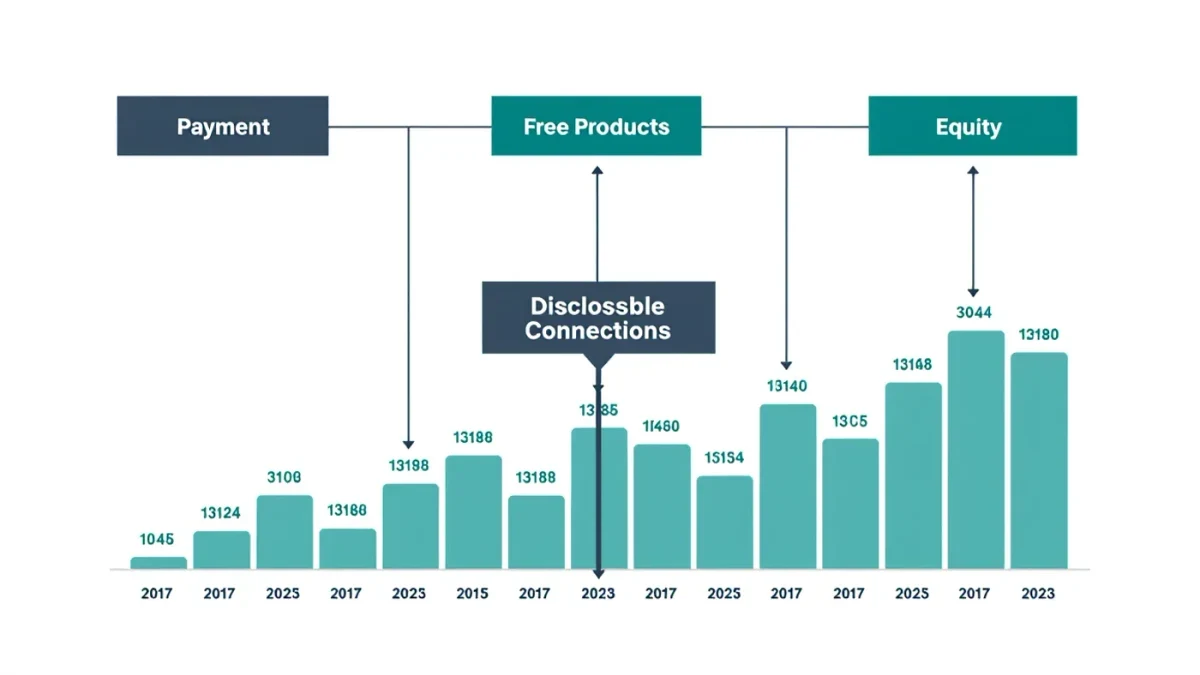
The FTC's Guides Concerning the Use of Endorsements and Testimonials in Advertising, first issued in 1980 and updated in 2023, require any material connection between an endorser and a brand to be disclosed clearly and conspicuously. Free products, equity stakes, affiliate commissions and family relationships all count.
For social posts, that means a label like #ad placed where readers cannot miss it, in the same language as the post, not buried in a hashtag string or a bio link. The 2023 update addressed points relevant to social media directly: it clarified that platforms' built-in disclosure tools may not be sufficient on their own, and that liability extends to advertisers, agencies and influencers alike. The FTC backed the guides with its Rule on the Use of Endorsements and Testimonials, which since 2023 allows civil penalties per violation rather than only injunctions.
What happened in the Kardashian case?
On October 3, 2022, the SEC announced charges that Kim Kardashian had touted the EthereumMax crypto asset on her Instagram story in June 2021 without disclosing a $250,000 payment. She settled without admitting or denying the findings for $1.26 million total, and agreed not to promote crypto asset securities for three years.
The total comprised disgorgement of the $250,000 payment plus interest and a $1 million penalty, along with cooperation in the Commission's continuing investigation. The case mattered because it applied long-standing securities touting rules to a single social media post by an entertainer. It followed the SEC's 2017 settlement with boxer Floyd Mayweather and music producer DJ Khaled over initial coin offering promotions, and it made celebrity crypto promotion a recognized enforcement category. Under the securities framework, promoting a crypto asset security requires disclosing both the payment and its amount.
How else has enforcement played out?
Beyond crypto, the FTC has pursued undisclosed endorsements systematically, with 2023 orders against trade groups and influencers over deceptive reviews and hidden sponsorship, and warning letters to athletes and entertainers whose posts lacked labels. Both the brand and individual promoters have been named in the same complaints.
| Action | Year | Outcome |
|---|---|---|
| Floyd Mayweather and DJ Khaled ICO promotions | 2017 | SEC settlements with disgorgement and penalties |
| Kim Kardashian EthereumMax post | 2022 | $1.26 million settlement, three-year promo bar |
| FTC endorsement guides update | 2023 | Civil penalties enabled, platform tools clarified |
| FTC actions on deceptive reviews and undisclosed sponsorship | 2023 | Orders against brands and individual promoters |
How do compliant celebrity campaigns label posts?
Standard practice is a paid-partnership tag plus an explicit #ad in the caption's first line, bilingual disclosure where the audience needs it, and spoken disclosure in video, since many viewers never read captions.
Contracts now allocate liability: brands commonly indemnify against regulatory fines or require the talent to certify compliance, and publicists clear sponsored captions through legal review before posting. Equity deals add a layer. When a star owns part of the company they promote, the FTC considers the ownership interest itself material and expects it disclosed, not just the existence of a payment. That has become routine in celebrity alcohol, wellness and consumer-app ventures, where ownership stakes are the point of the deal. Publicity filings sometimes disclose the stake, but the caption itself is where regulators look.
What do platform rules add beyond the law?
Paid-partnership tools and content policies, enforced faster than any regulator moves. Instagram and TikTok require branded-content tags on commercial posts and can restrict distribution or remove posts that hide sponsorship, with repeat violations risking account access entirely. Because platforms apply these rules globally, they pull practice upward in countries whose regulators are less active.
The mechanics matter for celebrities. A branded-content tag is not merely a label: it changes how a post is distributed, whether it can be boosted as advertising, and what data the brand receives. That is why agencies treat platform policy as a scheduling and budgeting question, not a legal footnote, and why contracts now specify which disclosure layers a post must carry.
Other jurisdictions have followed the American lead with their own enforcement. The United Kingdom's Advertising Standards Authority has repeatedly banned influencer and celebrity posts for hiding sponsorship, and its rulings name both the talent and the brand. As of 2025, a global campaign is planned to satisfy the strictest applicable regime, which in practice means an explicit label in the caption, in the post's language, on every market.
Enforcement by platforms also fills a gap regulators cannot easily reach: cross-border posts. A campaign that runs in dozens of markets simultaneously answers to every regulator at once, but it answers to Instagram or TikTok immediately, since distribution can be restricted within hours of a policy flag. Compliance teams therefore monitor platform policy updates as closely as legal changes, because a policy revision can reshape a running campaign overnight. Awards-show carpet partnerships, tour sponsorships and gifting suites all sit inside the same disclosure framework, which is why legal review now starts before the gift is accepted.
What should readers look for?
A short checklist catches most problems. Look for an advertising label inside the caption itself, not only a platform tag. Treat promo codes and gifted products as commercial. Assume investment promotions carry the highest legal bar, because securities rules add obligations the FTC framework does not cover.
A missing disclosure does not prove a post is unpaid; it may mean the post is out of compliance, which is what regulators act on. The regime as of 2025 is settled enough that major campaigns budget for compliance. The Kardashian settlement is cited in marketing-law practice as the standard example that celebrity reach does not reduce legal exposure, and the numbers involved, $250,000 in, $1.26 million out, summarize the arithmetic every talent contract now accounts for.