Fan accounts operate in a legal zone that leans toward photographers. Most paparazzi and red carpet images are copyrighted by the photographer or a photo agency, and reposting without a license is infringement even when the account is admiring and non-commercial. Stars cannot usually veto unflattering photos; the agencies that own them can and do issue takedowns.
Who actually owns a celebrity photograph?
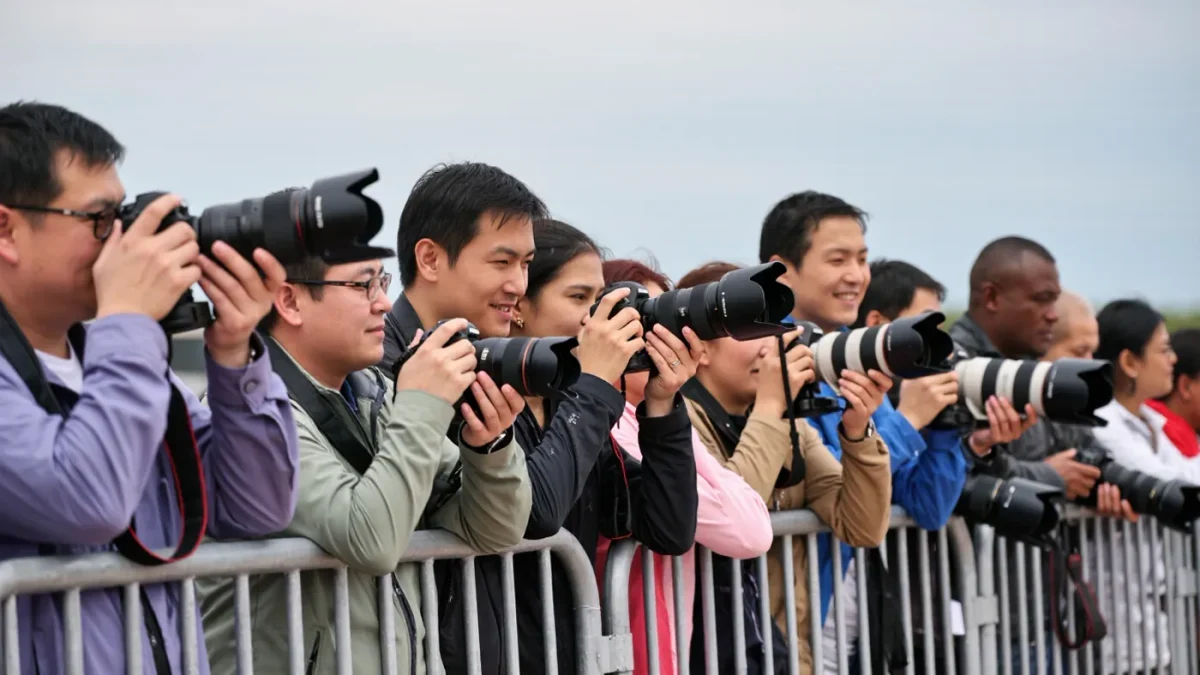
In the United States and most comparable jurisdictions, the photographer owns the copyright the moment the image is created, not the subject. A celebrity has no copyright claim over photos taken of them in public. Stars do hold separate rights of publicity, which control commercial use of their name and likeness in advertising and merchandise.
Publicity rights do not extend to editorial or fan use, which is why news sites can publish red carpet photos and fan accounts can post them, at least until the copyright owner objects. This division surprises many fans. The person with the strongest legal claim over a paparazzi photo is the photographer who took it, and agencies like Getty Images, Backgrid and others run licensing businesses on exactly that basis. Celebrity complaints about paparazzi photos are usually moral or privacy arguments, not copyright ones.
How do takedowns work in practice?
Through the notice-and-takedown system created by the Digital Millennium Copyright Act of 1998. A rights holder sends a platform a notice identifying infringing material, the platform removes it promptly to keep its safe-harbor protection, and the account owner can file a counter-notice. Platforms including Instagram and X process these requests at high volume and publish transparency reports showing the numbers.
| Mechanism | Who uses it | Typical outcome |
|---|---|---|
| DMCA takedown notice | Photo agencies, photographers | Post removed; repeat strikes can suspend the account |
| Rights-of-publicity claim | Celebrities or estates | Applies to ads and merchandise, not editorial reposts |
| Platform impersonation policy | Celebrity representatives | Targets accounts posing as the star, not fan posting |
| Trademark claim | Name and brand owners | Applies to merchandising and handles in commerce |
Most fan-account removals trace back to the first row: an agency notices its photo and files. The celebrity whose image appears often has no involvement at all.
What about fan edits and transformation?
Fair use sometimes protects transformative fan works, but the analysis is unpredictable. Courts weigh four factors, with commerciality and effect on the licensing market carrying the most weight. Commentary, parody and criticism stand on stronger ground than a repost with a new filter.
A color edit or collage built on an agency photo usually still depends on the original image, and agencies have won documented settlements from accounts that republished photos systematically. Fan accounts that credit the photographer are not licensed by that credit. Attribution is not a substitute for permission under copyright law, a point agencies make in every takedown notice. Accounts that want to operate cleanly use officially released press images, which studios distribute for editorial promotion, or Creative Commons and licensed material.
Can celebrities stop fan accounts entirely?
Generally not, and most do not try. Fan accounts that post official press releases, tour announcements and released imagery are doing promotional work the celebrity's team benefits from, and publicists have described tolerating and even briefing large fan communities. The enforcement line is drawn at impersonation, commercial merchandise, and unauthorized photos.
Estate-controlled rights are the exception in aggressiveness. Rights holders for deceased icons have pursued merchandise sellers and image uses on rights-of-publicity grounds, since post-mortem publicity rights in states like California run for decades. Living stars more often act when a fan account sells merchandise using their likeness, which converts the account from promotional to commercial and triggers publicity and trademark claims. The calculation is promotional: an engaged fan community is distribution a publicist does not have to buy.
What happens when fan accounts become media outlets?
They turn into businesses, and the law starts treating them differently. Accounts such as Pop Crave and DiscussingFilm began as fan pages and now break entertainment news that traditional outlets cite, with follower counts in the millions. Once an account monetizes through ads, subscriptions or tips, its fair-use position weakens and its commercial activity becomes the relevant fact.
The growth path is well established. A fan page builds an audience through speed and curation, develops a distinctive voice, then professionalizes: a team, posting schedules, sourced information. At scale, publicists begin treating the account as an outlet, sending it the same press releases and premiere access that legacy media receives, because reach is reach. Several of these accounts have been profiled by major newspapers precisely because their reporting sometimes outpaced established organizations.
Monetization brings obligations beyond copyright. Paid posts on a large fan account are advertising subject to the same disclosure rules as any influencer campaign, and platforms require branded-content tags on commercial material. Accounts that grew by reposting agency photos face a structural problem once revenue appears: commercial use is harder to defend as fair use, and agencies have negotiated licensing settlements with high-reach accounts rather than simply filing takedowns.
The endpoint of the path is a full media brand with original reporting, licensed imagery and paid staff, at which point the account has left fan territory entirely. The gray zone belongs to the middle of the curve, where the audience is large, the money is small and the photos still belong to someone else.
How have platforms changed the equation?
Platforms made fan redistribution frictionless, and then became the enforcement chokepoint. Instagram's transparency reporting shows millions of copyright removals per period, driven largely by photo agencies, and repeat-infringer policies mean a fan account can lose years of work over a handful of notices. Some fan account operators have publicly described rebuilding after strikes, a cycle that has become its own genre of community discussion.
Licensing has also adapted. Agencies now run fan-tier licensing and subscription products aimed at content creators who need celebrity imagery regularly, an acknowledgment that the takedown-only approach pushed traffic toward unofficial channels. As of 2025 the basic rule for fan accounts is unchanged: admire freely, but the photo belongs to someone, and that someone is usually not the star.