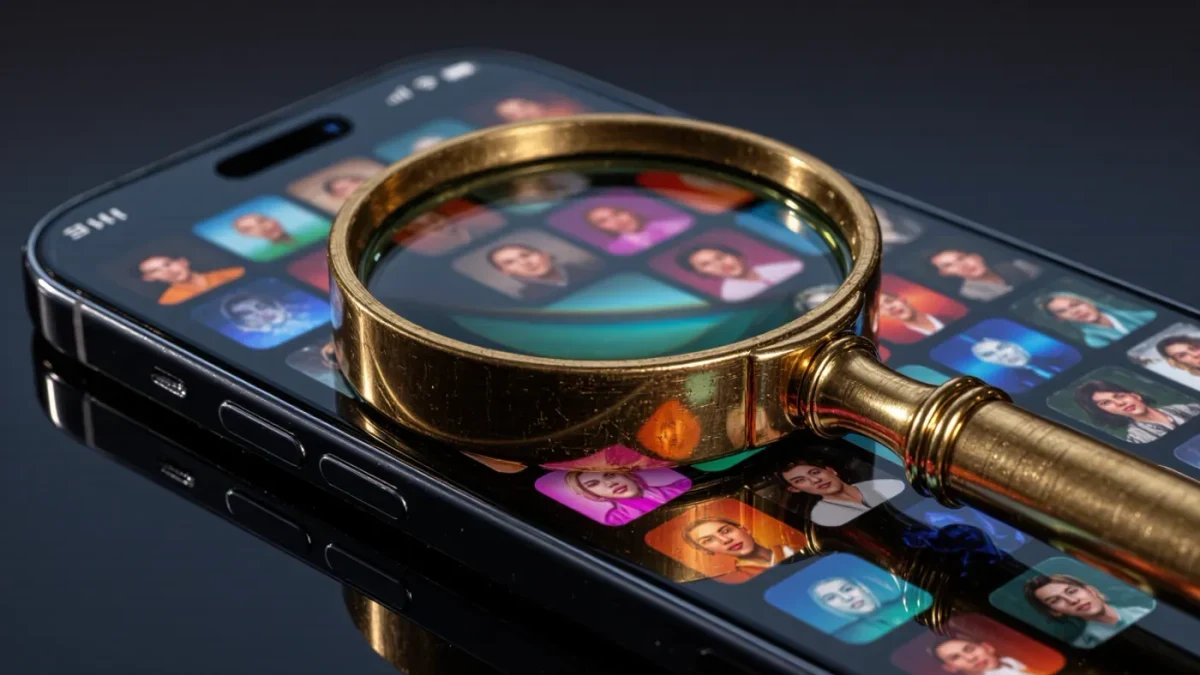
How brands audit for fake followers
Before signing, brands check engagement against follower growth, geography and comment quality — because inflated audiences price the wrong creators and the market has learned it.
The commercial layer of influence: campaign briefs, going rates by tier, usage rights, disclosure rules and which sponsorships genuinely move product.
Before signing, brands check engagement against follower growth, geography and comment quality — because inflated audiences price the wrong creators and the market has learned it.
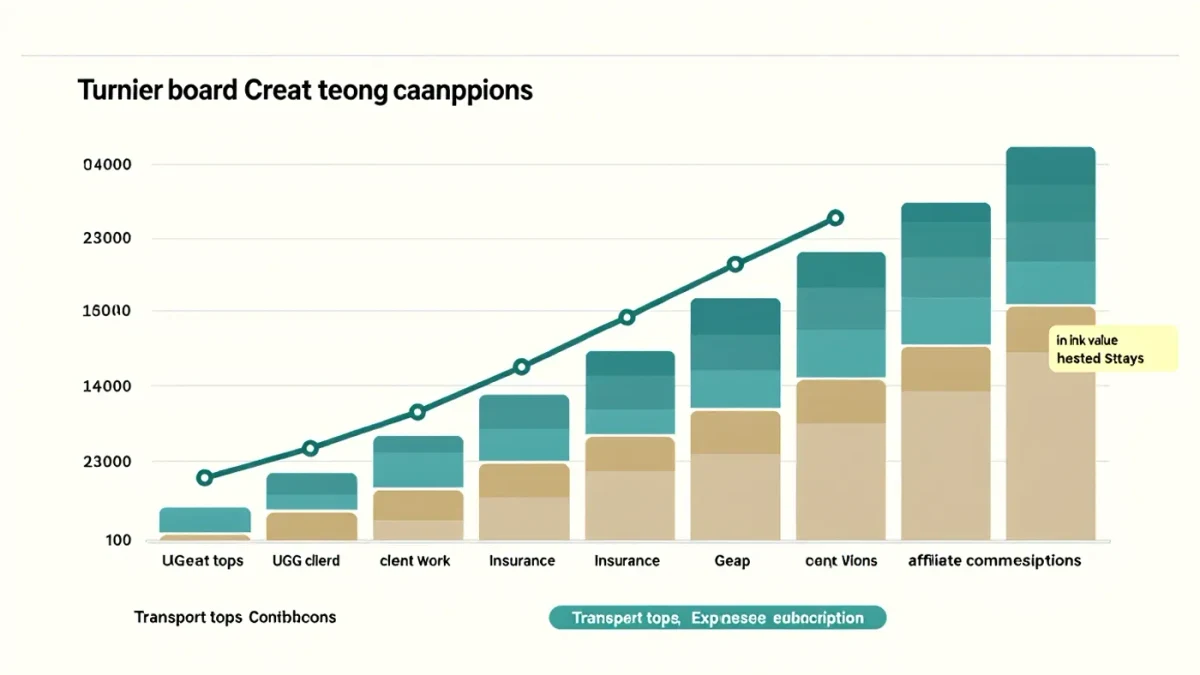
Many trips are comped rather than paid, the cash often comes from content the creator never posts, and the difference decides whether the category pays or just looks like it does.

A manager guides one career for 10 to 20 percent, an agent books specific work for around 10, and agencies run campaigns or rosters for up to 30 — different jobs, different cuts.

Working creators price from evidence — median reach times a market rate per thousand, plus paid line items for usage, exclusivity and rush — and defend the number in negotiation.

US rules require a clear, conspicuous disclosure whenever a material connection exists between an influencer and a brand — and both sides of the deal can be liable when it is missing.
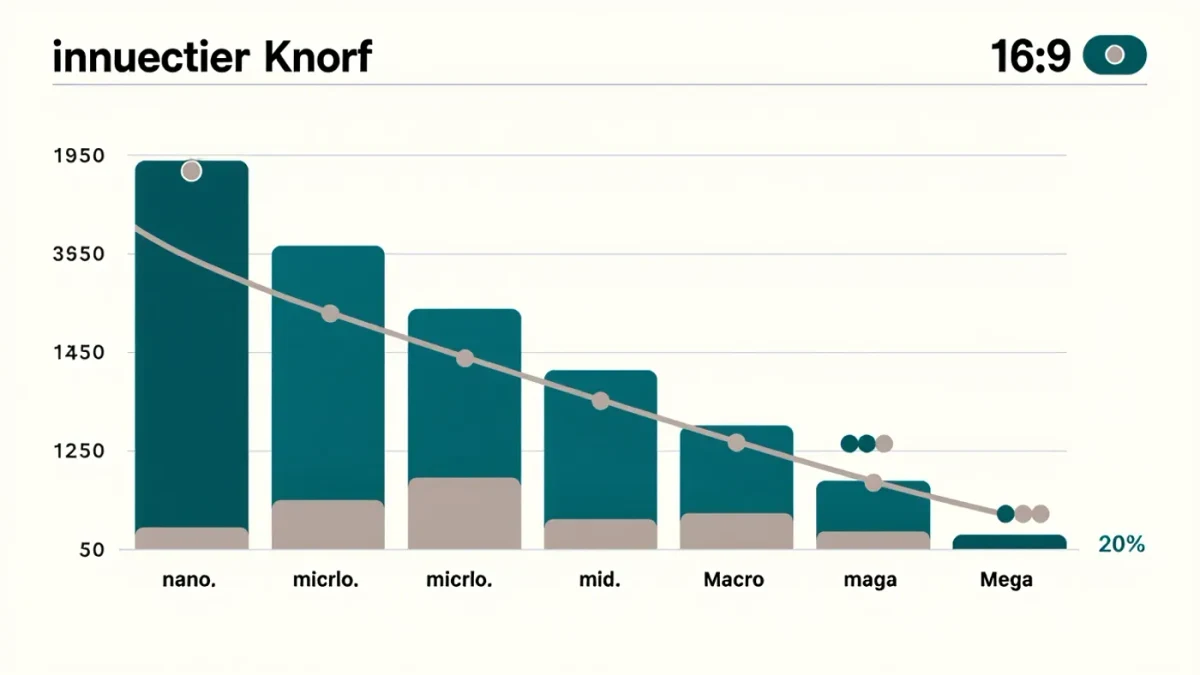
Micro-influencers charge less and usually engage more; macro-influencers sell reach — the fair comparison is cost per engaged viewer, not follower count.